US Military Budget 2026: 5% Increase in Key Areas Unpacked
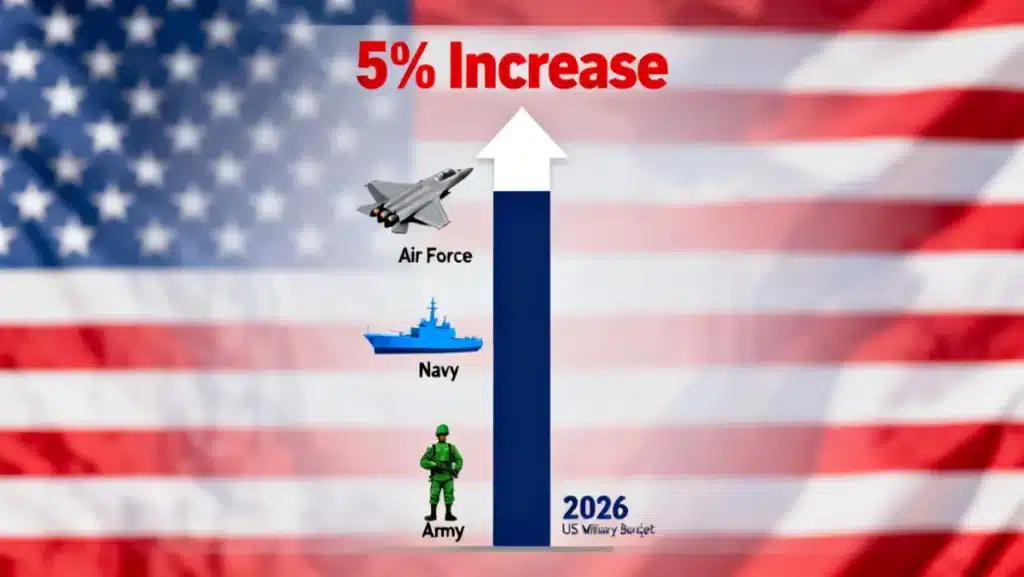
The 2026 US military budget reflects a 5% increase in crucial sectors, underscoring ongoing commitments to national defense, technological innovation, and maintaining global strategic superiority amidst evolving threats.
The latest US Military Budget 2026 proposals reveal a significant 5% increase in several key areas, signaling a robust commitment to national defense and global security. This update delves into the specifics of these budgetary adjustments, exploring their potential impact on military readiness, technological advancement, and international relations. What does this mean for the future of American defense capabilities?
Understanding the 2026 Defense Budget Landscape
The fiscal year 2026 defense budget marks a pivotal moment for the United States military, reflecting a proactive stance towards emerging global challenges. This 5% increase is not uniformly distributed but strategically allocated to modernize forces, enhance operational capabilities, and invest in next-generation technologies. It’s a clear indication that policymakers are prioritizing long-term security objectives while addressing immediate threats.
This budget increment is a response to a complex geopolitical environment, characterized by rising peer competition and the proliferation of advanced weaponry. The aim is to ensure the US military remains at the forefront of defense innovation and preparedness. Understanding the nuances of this allocation is crucial for grasping the future trajectory of American military power and its global implications.
Strategic allocation priorities
Several critical sectors are slated to receive substantial portions of this increased funding. These allocations are designed to address specific vulnerabilities and capitalize on strategic advantages. The focus is on areas that promise the greatest return on investment in terms of national security.
- Cybersecurity defense and offensive capabilities.
- Development and procurement of advanced weaponry systems.
- Enhancement of global logistics and rapid deployment forces.
- Personnel training and welfare improvements.
The emphasis on these priorities highlights a comprehensive approach to defense, moving beyond traditional warfare to encompass modern domains like cyber and space. The strategic allocation of funds aims to create a more resilient and adaptable military force capable of responding to a diverse range of threats effectively.
In essence, the 2026 budget is a forward-looking document, designed to equip the US military with the tools and personnel necessary to safeguard national interests in an increasingly unpredictable world. It underscores a commitment to maintaining a technological edge and fostering a highly skilled fighting force.
Key Areas Receiving Increased Funding and Their Impact
The 5% increase in the US Military Budget 2026 is not simply a blanket rise; it’s a targeted investment in specific sectors deemed critical for national security and strategic superiority. These key areas include advanced technology research and development, modernization of existing platforms, and bolstering cybersecurity defenses. Each of these components plays a vital role in shaping the future capabilities of the US armed forces.
The impact of these investments is expected to be far-reaching, enhancing everything from intelligence gathering to combat effectiveness. By focusing on these particular areas, the Department of Defense aims to create a more agile, technologically advanced, and resilient fighting force, capable of deterring aggression and responding decisively to threats across all domains.
Advanced technology and innovation
A significant portion of the new funding is directed towards cutting-edge research and development. This includes advancements in artificial intelligence, quantum computing, hypersonic weapons, and autonomous systems. The goal is to ensure the US maintains its technological edge over potential adversaries.
- Funding for AI-driven defense systems and predictive analytics.
- Investment in quantum computing for secure communications and data processing.
- Accelerated development of hypersonic missile technology.
- Expansion of autonomous drone and robotic combat systems.
These technological strides are crucial for redefining future warfare, enabling more precise strikes, improved reconnaissance, and reduced human risk in hazardous environments. The emphasis on innovation is a clear signal of the military’s commitment to staying ahead of the curve.
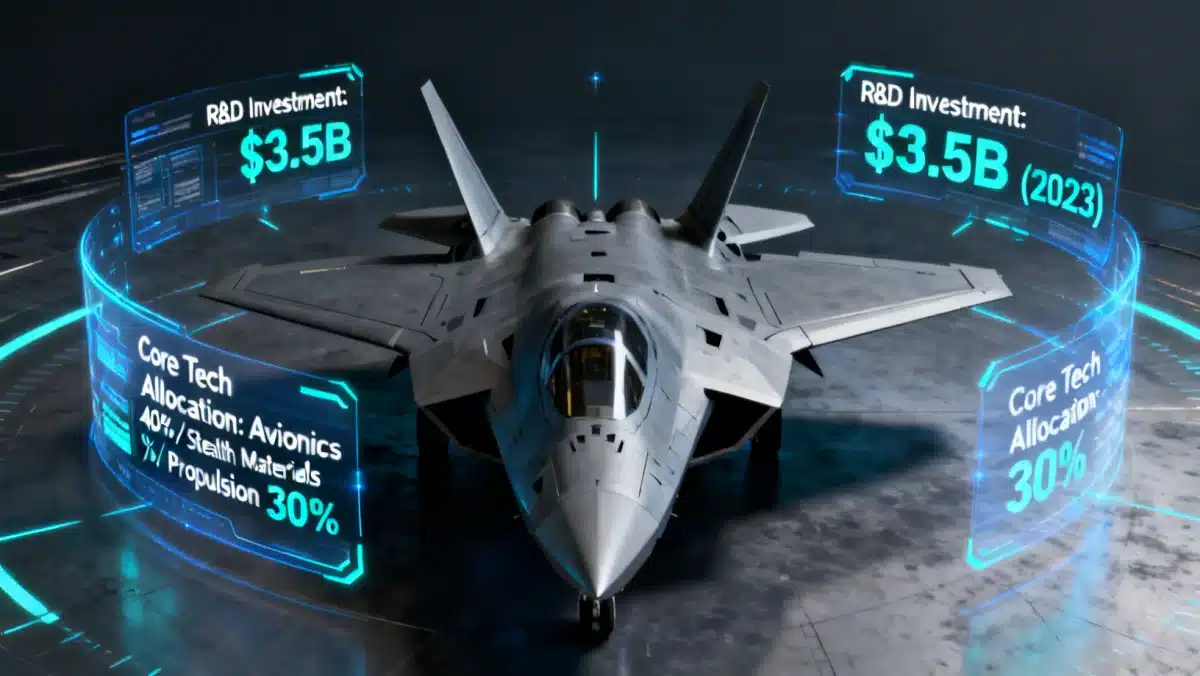
Beyond just hardware, the budget also supports the development of new doctrines and operational concepts that can fully leverage these emerging technologies. This holistic approach ensures that technological advancements are seamlessly integrated into military strategies, maximizing their effectiveness on the battlefield. The investment in these areas is a testament to the belief that future conflicts will be won not just by superior numbers, but by superior intellect and technology.
Modernization of Existing Platforms and Infrastructure
While new technologies are vital, the US Military Budget 2026 also places a strong emphasis on modernizing and upgrading existing military platforms and infrastructure. This includes everything from renovating naval fleets and air force jets to improving ground vehicle capabilities and fortifying military bases. The logic behind this dual approach is simple: new tech needs a robust foundation to operate effectively, and current assets must remain relevant and capable.
This modernization effort is critical for maintaining operational readiness and extending the service life of valuable assets. It also ensures that the military can seamlessly integrate new technologies with proven systems, creating a cohesive and highly effective defense apparatus. Failing to modernize existing infrastructure would create bottlenecks and diminish the overall impact of new investments.
Naval and air force upgrades
The Navy and Air Force are set to receive substantial funds for upgrading their fleets. This includes the procurement of new vessels, aircraft, and the overhaul of existing ones with advanced avionics, propulsion systems, and weapon integrations.
- Replacement of aging naval vessels with more capable and efficient models.
- Upgrading fighter jets with next-generation radar and electronic warfare systems.
- Investment in long-range bombers and aerial refueling capabilities.
- Modernization of naval shipyards and maintenance facilities.
These upgrades are essential for projecting power globally and maintaining air and sea superiority. The improvements aim to enhance survivability, increase operational range, and boost the overall lethality of these critical branches. The focus is on ensuring that the US military can operate effectively in contested environments.
Furthermore, investments in infrastructure extend to cybersecurity hardening of military networks and ensuring robust communication channels. This comprehensive approach to modernization ensures that the physical and digital backbone of the US military remains strong and secure against evolving threats. The goal is to build a resilient force for decades to come.
Bolstering Cybersecurity and Space Capabilities
Recognizing the evolving nature of modern warfare, the US Military Budget 2026 significantly boosts funding for cybersecurity and space capabilities. These domains are increasingly seen as critical battlegrounds, where conflicts can be waged without traditional kinetic engagements. Protecting national infrastructure, military networks, and satellite assets is paramount in this new era of strategic competition.
The emphasis on these areas reflects a clear understanding that future adversaries will likely seek to exploit vulnerabilities in cyberspace and space to gain an advantage. By investing heavily in these domains, the US aims to establish robust defenses while also developing its own offensive capabilities to deter and respond to threats effectively. This dual approach is essential for maintaining strategic stability.
Cyber defense and offense enhancements
Increased funding will support advanced training for cyber warriors, the development of sophisticated defensive software, and the expansion of offensive cyber operations. The objective is to safeguard critical systems and project power in the digital realm.
- Expansion of the Cyber National Mission Force and Cyber Command.
- Development of AI-driven threat detection and response systems.
- Training programs for ethical hacking and cyber warfare specialists.
- Investment in secure communication protocols and quantum-resistant encryption.
These measures are designed to create a resilient cyber ecosystem capable of withstanding sophisticated attacks from state-sponsored actors and other malicious entities. The ability to defend and counter cyber threats is now as important as traditional military strength.
Similarly, the budget allocates resources to enhance space-based capabilities, including satellite protection, advanced reconnaissance systems, and resilient communication networks. As reliance on space assets grows, so does the need to protect them from potential attacks. This ensures the continuity of vital military operations and intelligence gathering. The investment in space capabilities is about maintaining a critical advantage in an increasingly crowded orbital environment.
Personnel Readiness, Training, and Welfare Improvements
Beyond hardware and technology, the US Military Budget 2026 also dedicates a significant portion of its increase to the human element: personnel readiness, training, and welfare. A highly skilled, motivated, and well-supported force is the backbone of any effective military. This investment acknowledges that the best technology is only as good as the people operating it.
These improvements are designed to attract and retain top talent, enhance combat effectiveness, and ensure the overall well-being of service members and their families. It’s a holistic approach that recognizes the critical link between personnel readiness and national security. Investing in people is an investment in the future of the military.
Enhanced training programs
New funds will facilitate more realistic and technologically advanced training exercises, including virtual reality simulations and joint-force operations. The goal is to prepare service members for the complexities of modern warfare across all domains.
- Increased access to advanced simulation and virtual reality training.
- Expanded joint-force exercises with allied nations.
- Specialized training for emerging technologies like AI and cyber warfare.
- Improvements in combat readiness training for diverse operational environments.
These enhanced training programs ensure that service members are not only proficient in their current roles but also adaptable to future challenges. The emphasis is on continuous learning and skill development, preparing personnel for a rapidly evolving threat landscape.
Furthermore, the budget allocates resources for improving housing, healthcare, and educational opportunities for military families. These welfare initiatives are crucial for boosting morale and retention rates, ensuring that service members feel valued and supported. A strong support system off the battlefield directly translates to greater effectiveness on it, making these investments vital for overall military strength.
Geopolitical Implications and International Relations
The 5% increase in the US Military Budget 2026 inevitably carries significant geopolitical implications, influencing international relations and the global balance of power. This substantial investment signals to both allies and adversaries the United States’ unwavering commitment to its defense posture and its role as a global security provider. The budget is not just about domestic defense; it’s a statement on the international stage.
Allies may view this increase as a reaffirmation of US leadership and a commitment to shared security interests, potentially strengthening alliances and fostering greater cooperation. Conversely, potential adversaries might interpret it as an escalation, prompting them to increase their own defense spending and accelerate military modernization efforts. Understanding these dynamics is crucial for navigating the complex landscape of international diplomacy.
Strengthening alliances and deterrence
The increased budget allows for greater military cooperation and joint exercises with key allies, reinforcing strategic partnerships. This strengthens deterrence against potential aggressors and enhances collective security.
- Increased funding for security assistance to allied nations.
- Expansion of joint military exercises and training missions.
- Enhanced intelligence sharing and collaborative defense initiatives.
- Support for international peacekeeping operations and humanitarian aid.
These collaborative efforts are vital for building a robust global security framework, ensuring that the burden of defense is shared and that responses to threats are coordinated. Strong alliances are a cornerstone of US foreign policy, and this budget reinforces that commitment.
However, the budget increase also poses challenges, particularly in managing perceptions and avoiding an arms race. Diplomatic efforts will be crucial to communicate the defensive nature of these investments and to engage in dialogue with rival powers. The goal is to enhance security without inadvertently destabilizing international relations, a delicate balance that requires careful strategic planning and open communication. The aim is to achieve peace through strength, but with an eye towards de-escalation.
| Key Area | Brief Impact Description |
|---|---|
| Advanced Technology R&D | Boosts AI, quantum computing, and hypersonic weapon development for future dominance. |
| Cybersecurity & Space | Enhances digital defenses and space asset protection against evolving threats. |
| Platform Modernization | Upgrades naval, air, and ground forces, extending asset life and integrating new tech. |
| Personnel & Training | Improves readiness, welfare, and specialized training for a highly capable force. |
Frequently Asked Questions About the 2026 US Military Budget
The increase is primarily driven by escalating geopolitical tensions, the need to counter advanced military capabilities of peer competitors, and a strategic push for technological superiority in areas like AI, hypersonics, and cyber warfare. Modernizing aging equipment also plays a significant role.
While all branches will see some benefit, the Air Force and Navy are expected to receive substantial funding for modernization and new platform procurement. Cybersecurity and Space Force initiatives will also see significant boosts, reflecting evolving defense priorities.
A portion of the increase is allocated to improving personnel readiness, training, and welfare. This includes better housing, enhanced healthcare services, and expanded educational opportunities for military families, aiming to boost morale and retention rates.
The budget increase is intended to solidify US global strategic positioning by enhancing deterrence, strengthening alliances, and maintaining a technological edge. It aims to project a strong defense posture, ensuring stability and security in a complex international environment.
Concerns often include the potential for an arms race with rival nations, the opportunity cost of allocating funds away from domestic programs, and ensuring accountability for how such a large budget is spent. Economic sustainability is also a recurring point of discussion.
Conclusion
The US Military Budget 2026, with its targeted 5% increase in key areas, represents a comprehensive strategy to bolster national security in an increasingly volatile world. From investing in cutting-edge technologies like AI and hypersonics to modernizing existing platforms and enhancing personnel welfare, the budget reflects a proactive approach to defense. These strategic allocations aim to maintain a decisive military advantage, deter potential adversaries, and strengthen alliances. While the geopolitical implications are significant, the underlying goal remains clear: to ensure the United States military is equipped, trained, and prepared to meet the challenges of the 21st century, safeguarding both domestic interests and global stability.
Autor