2026 Student Loan Forgiveness: Your Eligibility Guide
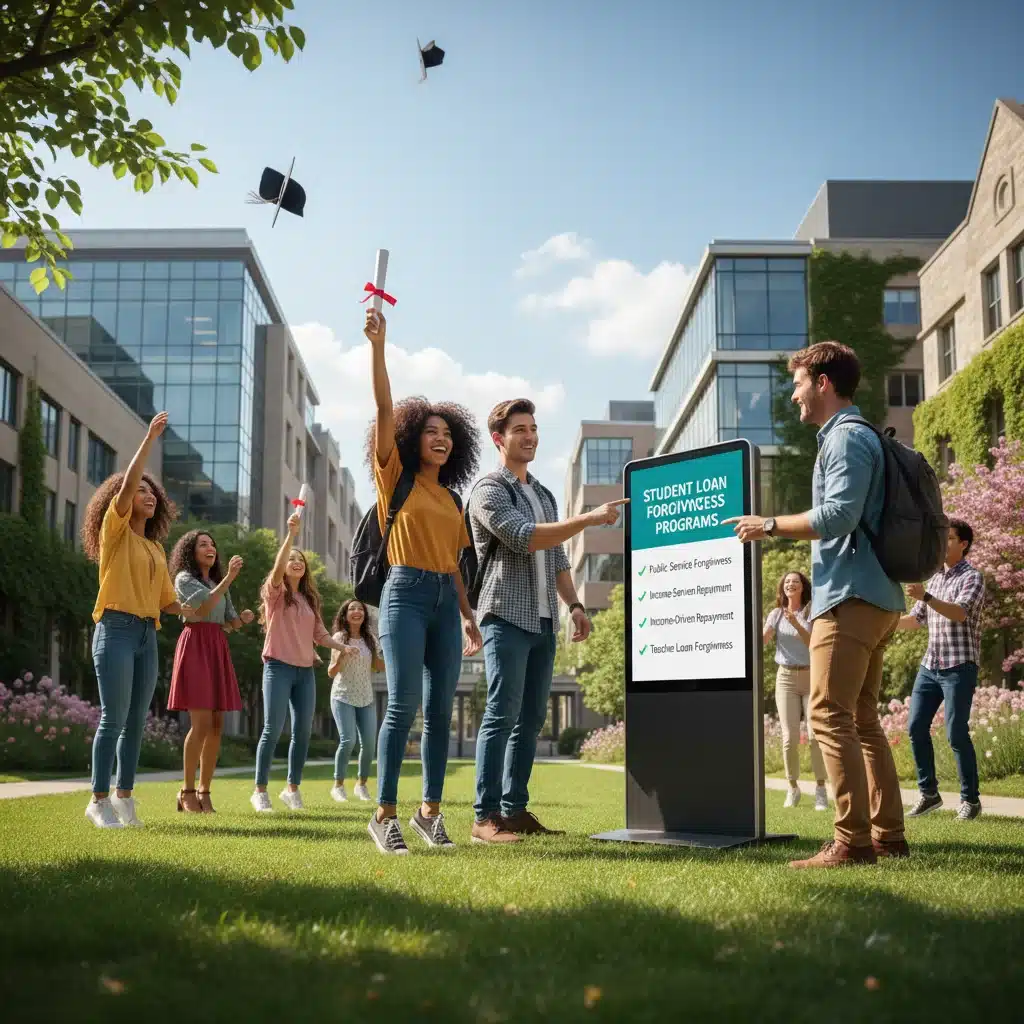
Understanding the evolving landscape of student loan forgiveness in 2026 is crucial for millions of Americans seeking relief, with various federal programs offering pathways to debt cancellation based on specific eligibility criteria.
Navigating the complex world of student loan debt can feel overwhelming, especially with constant updates to federal programs. For those burdened by educational loans, understanding student loan forgiveness 2026 is not just important, it’s essential for financial peace of mind. This comprehensive guide aims to demystify the eligibility requirements and practical solutions available to you in the coming year, offering a clear path forward.
Understanding the Basics of Student Loan Forgiveness in 2026
Student loan forgiveness, cancellation, and discharge are terms often used interchangeably, but they can have distinct meanings depending on the program. In 2026, these programs continue to evolve, reflecting ongoing efforts to alleviate the national student debt crisis. Understanding these fundamental differences is the first step toward identifying the right path for your situation.
Federal student loan forgiveness programs are typically designed to assist borrowers who meet specific criteria, often tied to public service, disability, or financial hardship. These programs are not automatic; they require proactive application and adherence to strict guidelines. Staying informed about program changes and deadlines is paramount for anyone seeking relief.
Key Distinctions: Forgiveness, Cancellation, and Discharge
- Forgiveness: Often associated with programs like Public Service Loan Forgiveness (PSLF), where remaining loan balances are forgiven after a certain number of qualifying payments or years of service.
- Cancellation: Similar to forgiveness, but sometimes used in specific contexts, such as for teachers in high-need areas or for borrowers whose schools closed.
- Discharge: Generally reserved for more extreme circumstances, such as total and permanent disability, death, or bankruptcy (though bankruptcy discharge is rare and difficult to obtain for student loans).
The landscape of student loan relief is dynamic, with policymakers frequently reviewing and adjusting existing programs. As we approach 2026, it’s crucial for borrowers to understand that while a broad, sweeping forgiveness may not be enacted, targeted programs continue to offer significant relief to eligible individuals. These programs are designed to support specific careers or address particular hardships, ensuring that the burden of student debt does not hinder public service or recovery from unforeseen circumstances.
Public Service Loan Forgiveness (PSLF) in 2026: What’s New?
The Public Service Loan Forgiveness (PSLF) program remains a cornerstone of federal student loan relief, designed to encourage careers in public service. In 2026, PSLF continues to offer a pathway to forgiveness for eligible federal student loans after 120 qualifying monthly payments while working full-time for a qualifying employer. Recent administrative actions have aimed to simplify the process and address past criticisms, making it more accessible to deserving borrowers.
Qualifying employment for PSLF generally includes government organizations at any level (federal, state, local, or tribal), and not-for-profit organizations that are tax-exempt under Section 501(c)(3) of the Internal Revenue Code. Some other non-profit organizations may also qualify. It’s crucial to verify your employer’s eligibility and submit the Employment Certification Form regularly to track your progress.
Eligibility Requirements for PSLF
- Loan Type: Only Direct Loans are eligible. Other federal loans (FFEL, Perkins) must be consolidated into a Direct Consolidation Loan.
- Repayment Plan: Must be enrolled in an income-driven repayment (IDR) plan. Standard repayment also qualifies, but it typically repays the loan before forgiveness is reached.
- Employment: Full-time employment (at least 30 hours per week) with a qualifying public service employer.
- Payments: 120 qualifying monthly payments, which do not need to be consecutive.
The PSLF program has seen significant attention and reforms in recent years, including the limited PSLF waiver that allowed past payments, previously ineligible, to count towards the 120 required payments. While this waiver has largely concluded, its impact continues to shape how borrowers understand and pursue PSLF. Future legislative changes or administrative adjustments could further refine the program, making it essential for public servants to stay updated on official guidance from the Department of Education.
Income-Driven Repayment (IDR) Plans and Forgiveness
Income-Driven Repayment (IDR) plans are vital for managing federal student loan payments, especially for those with high debt relative to their income. These plans adjust your monthly payment based on your income and family size, often resulting in lower payments than standard plans. A key feature of IDR plans is that any remaining balance is forgiven after 20 or 25 years of qualifying payments, depending on the specific plan and whether you have graduate or undergraduate loans.
In 2026, IDR plans continue to serve as a crucial safety net, preventing default and offering a long-term path to forgiveness. The Biden administration has introduced initiatives to count more periods of repayment toward IDR forgiveness, addressing past administrative errors that prevented many borrowers from receiving the relief they were entitled to. These adjustments are designed to provide a more accurate and equitable path to loan cancellation.
Types of IDR Plans and Their Forgiveness Timelines
- SAVE Plan (formerly REPAYE): Generally 20 or 25 years of payments for forgiveness. Offers the lowest payments for many borrowers.
- PAYE Plan: 20 years of payments for forgiveness.
- IBR Plan: 20 or 25 years of payments for forgiveness, depending on when you took out your loans.
- ICR Plan: 25 years of payments for forgiveness.
The recent changes to IDR plans, including the new SAVE plan, aim to make monthly payments more affordable and accelerate the path to forgiveness for many. Borrowers should regularly recertify their income and family size to ensure their payments accurately reflect their financial situation. Understanding the nuances of each IDR plan is critical to choosing the one that best suits your financial goals and maximizes your potential for eventual loan forgiveness.
Teacher Loan Forgiveness and Other Profession-Specific Programs
Beyond PSLF, several other federal programs offer loan forgiveness specifically tailored to individuals working in certain professions. Teacher Loan Forgiveness (TLF) is a prominent example, designed to encourage talented educators to serve in low-income schools. In 2026, these profession-specific programs continue to provide valuable relief, recognizing the critical contributions of these workers to society.
The Teacher Loan Forgiveness program offers up to $17,500 in forgiveness for eligible Direct Subsidized and Unsubsidized Loans, and Stafford Loans. To qualify, teachers must teach full-time for five consecutive years in a low-income elementary or secondary school or educational service agency. The amount of forgiveness depends on the subject taught. Highly qualified math, science, or special education teachers can receive the maximum amount.

Other Notable Profession-Specific Forgiveness Programs
- Perkins Loan Cancellation: For borrowers with Federal Perkins Loans who serve in certain professions, such as teaching, nursing, law enforcement, or early intervention services.
- National Health Service Corps (NHSC) Loan Repayment Programs: For healthcare professionals working in underserved communities.
- NURSE Corps Loan Repayment Program: For registered nurses, advanced practice registered nurses, and nurse faculty working in critical shortage facilities or eligible schools of nursing.
These programs underscore a commitment to supporting essential services by easing the financial burden on professionals in high-demand fields. Eligibility criteria and application processes vary for each program, so prospective applicants should thoroughly research the specific requirements. Staying informed about these specialized forgiveness options can unlock significant financial relief for those dedicated to these vital professions.
Disability Discharge and Other Special Circumstances
Student loan debt can become an insurmountable burden when unexpected life events occur, such as a permanent disability. The Total and Permanent Disability (TPD) Discharge program offers crucial relief in such circumstances, allowing eligible borrowers to have their federal student loans discharged. In 2026, the TPD discharge process aims to be more streamlined, especially for veterans and those receiving Social Security disability benefits.
To qualify for a TPD discharge, you must provide documentation from the Department of Veterans Affairs, the Social Security Administration, or a physician certifying that you are unable to engage in any substantial gainful activity due to a physical or mental impairment that is expected to last for a continuous period of at least 60 months, result in death, or has lasted for a continuous period of at least 60 months. The discharge process includes a three-year monitoring period to ensure compliance with the program’s requirements.
Other Special Circumstances for Loan Discharge
- School Closure Discharge: If your school closed while you were enrolled or shortly after you withdrew, you might be eligible to have your federal student loans discharged.
- Borrower Defense to Repayment: For borrowers who were misled by their school or whose school engaged in misconduct in violation of state law.
- Death Discharge: Federal student loans are discharged upon the death of the borrower. Parent PLUS Loans are discharged upon the death of the student for whom the loan was taken out, or the death of the parent borrower.
These specialized discharge programs provide essential safeguards for borrowers facing extraordinary hardship or unfair practices. While the application process can be rigorous, the relief offered is significant. It is vital for borrowers in these situations to understand their rights and pursue all available avenues for discharge, ensuring they are not unfairly burdened by debt due to circumstances beyond their control.
Practical Steps to Apply for Student Loan Forgiveness in 2026
Applying for student loan forgiveness can be a detailed process, but with careful preparation and attention to detail, it is entirely manageable. In 2026, the emphasis remains on informed and proactive engagement with loan servicers and the Department of Education. Understanding the specific requirements for your chosen program and maintaining accurate records are key to a successful application.
The first practical step is to identify which forgiveness program aligns best with your circumstances. This requires a thorough review of your loan types, employment history, and financial situation. Once a program is identified, gather all necessary documentation, such as employment verification forms, income statements, and medical records if applicable. Many programs require annual recertification, so staying organized is crucial for continued eligibility.
Key Application Tips for 2026
- Verify Loan Type: Confirm your federal loan types are eligible for the program you are pursuing. Consolidation may be necessary for some older federal loans.
- Contact Your Servicer: Your loan servicer is your primary point of contact for questions about your loans and application status.
- Keep Detailed Records: Maintain copies of all submitted forms, correspondence, and payment histories.
- Stay Informed: Regularly check the Department of Education’s official website for program updates and changes.
Proactively engaging with your loan servicer and the Department of Education is essential. Don’t wait until the last minute to gather documents or submit applications. Many programs have specific deadlines or require consistent tracking of eligibility. By taking these practical steps, borrowers can increase their chances of successfully navigating the application process and securing the student loan forgiveness they are entitled to.
| Key Program | Brief Description |
|---|---|
| Public Service Loan Forgiveness (PSLF) | Forgiveness after 120 qualifying payments for public service employees. |
| Income-Driven Repayment (IDR) | Payments based on income, remaining balance forgiven after 20-25 years. |
| Teacher Loan Forgiveness (TLF) | Up to $17,500 for teachers in low-income schools after five years. |
| Total and Permanent Disability (TPD) Discharge | Federal loan discharge for borrowers with a certified total and permanent disability. |
Frequently Asked Questions About 2026 Student Loan Forgiveness
While broad, one-time loan forgiveness is not currently projected for 2026, existing federal programs like PSLF and IDR plans continue to offer significant relief. Focus remains on targeted forgiveness based on specific eligibility criteria and borrower circumstances, rather than universal cancellation.
No, federal student loan forgiveness programs, including PSLF and IDR forgiveness, apply exclusively to federal student loans. Private student loans are not eligible for these programs. Borrowers with private loans should explore refinancing options or contact their lender for alternative relief.
To determine if your employer qualifies for PSLF, you should submit the PSLF Employment Certification Form. The Department of Education or your loan servicer will review your employer’s status and inform you if they meet the criteria for public service. Regular certification is recommended.
Missing a payment on an IDR plan can jeopardize your progress toward forgiveness and potentially lead to delinquency or default. It’s crucial to contact your loan servicer immediately if you anticipate difficulty making a payment. They may offer options like forbearance or deferment to help.
Generally, most federal student loan forgiveness (like PSLF and TPD discharge) is not considered taxable income by the IRS. However, some types of forgiveness, particularly those from IDR plans, may be taxable in certain circumstances. It’s always best to consult a tax professional for personalized advice.
Conclusion
The landscape of student loan forgiveness in 2026, while complex, offers numerous avenues for relief to eligible borrowers in the United States. From the well-established Public Service Loan Forgiveness program to various income-driven repayment plans and specialized discharge options, understanding these programs is the first step toward significant financial alleviation. Borrowers are encouraged to proactively assess their eligibility, gather necessary documentation, and stay informed through official channels. By taking these practical steps, millions can navigate their student debt with greater clarity and achieve the financial freedom they deserve.
Autor