Special Briefing: 5 Key Legislative Changes by 2026
Special Briefing: The 5 Most Significant Legislative Changes Expected to Pass by End of 2026 (INSIDER KNOWLEDGE) details critical policy shifts influencing the United States, offering an exclusive look at upcoming legal reforms.
Ever wondered what major shifts are on the horizon for American policy? Our Special Briefing: The 5 Most Significant Legislative Changes Expected to Pass by End of 2026 (INSIDER KNOWLEDGE) offers a unique glimpse into the legislative landscape. Understanding these potential changes isn’t just for policymakers; it’s vital for every citizen and business to anticipate and adapt. Let’s delve into the crucial reforms that could redefine our nation.
The Future of Healthcare Reform: Beyond the ACA
The American healthcare system remains a constant subject of debate and potential legislative action. As we approach 2026, expect significant movement towards refining, or even overhauling, existing frameworks. The Affordable Care Act (ACA), while transformative, has faced ongoing challenges and calls for adjustments from various political factions. The legislative changes anticipated will likely attempt to address issues of affordability, access, and the role of government versus private insurers.
Discussions are centered on striking a delicate balance between expanding coverage and controlling costs. There’s a strong push to lower prescription drug prices, a concern that resonates deeply with the American public. Additionally, mental health parity and access to specialized care are emerging as key areas for legislative focus, reflecting a growing societal awareness of these critical needs.
Expanding Medicare Benefits and Eligibility
- Dental, Vision, and Hearing Coverage: A persistent area of advocacy, the expansion of Medicare to include these essential services is gaining bipartisan traction.
- Lowering Eligibility Age: Proposals to lower the Medicare eligibility age from 65 to 60 or even 55 are being seriously considered to broaden access.
- Prescription Drug Price Negotiation: Building on recent efforts, further legislation is expected to empower Medicare to negotiate a wider range of drug prices directly with pharmaceutical companies.
Another facet of healthcare reform involves strengthening the public health infrastructure. The lessons learned from recent global health crises have highlighted vulnerabilities and the need for more robust preparedness. Funding for disease surveillance, vaccine development, and community health initiatives could see substantial increases through federal legislation. These measures aim to create a more resilient healthcare system capable of responding effectively to future public health emergencies.
Moreover, the debate around telehealth services continues to evolve. What began as a necessity during the pandemic has proven to be a convenient and effective mode of care for many. Legislative efforts are likely to standardize reimbursement policies, expand access across state lines, and ensure technological infrastructure supports equitable telehealth delivery, making it a permanent fixture in healthcare provision.
Climate Change and Energy Policy: A Renewed Push for Sustainability
The urgency of addressing climate change continues to drive significant legislative initiatives. By 2026, we anticipate a renewed and perhaps more aggressive push towards sustainable energy policies and environmental protection. This includes a blend of incentives for green technologies, stricter regulations on emissions, and investments in renewable energy infrastructure. The goal is to accelerate the transition away from fossil fuels while ensuring energy security and economic stability.
The focus isn’t solely on large-scale industrial changes; consumer-level incentives are also on the table. Tax credits for electric vehicles, solar panel installations, and energy-efficient home improvements are likely to be expanded or introduced. These measures aim to democratize access to sustainable options and encourage individual participation in broader environmental goals. The economic benefits of a green transition, including job creation in renewable sectors, are also a key selling point for these legislative changes.
Investing in Renewable Technologies
- Enhanced Tax Credits: Expect extensions and expansions of existing tax credits for solar, wind, and geothermal energy projects.
- Grid Modernization Funding: Significant federal investment in upgrading the national power grid to handle a higher influx of renewable energy sources.
- Carbon Capture and Storage Incentives: New legislative frameworks to encourage the development and deployment of carbon capture technologies across industries.
Furthermore, water resource management and conservation are gaining prominence in the legislative agenda. With increasing droughts and extreme weather events, policies aimed at protecting water supplies, improving infrastructure, and promoting efficient water usage are expected. This could include funding for desalination plants, wastewater recycling initiatives, and grants for states to implement sustainable water practices. The intersection of climate change and water scarcity is becoming a critical area for legislative intervention.
International climate agreements also play a role in domestic legislative priorities. As the U.S. reaffirms its commitment to global climate goals, internal policies will need to align. This could involve setting more ambitious national emission reduction targets and implementing mechanisms to track and report progress. The legislative landscape around climate and energy is dynamic, reflecting both scientific imperatives and economic opportunities.
Technology Regulation and Data Privacy: Navigating the Digital Frontier
The rapid evolution of technology has outpaced existing regulatory frameworks, creating an urgent need for comprehensive legislation in areas like data privacy, artificial intelligence, and digital competition. By the end of 2026, we expect to see significant legislative changes aimed at bringing order to the digital frontier, protecting consumers, and addressing the market power of tech giants. This involves a complex interplay of federal and state efforts, often with global implications.
Data privacy is a paramount concern, with growing calls for a national standard akin to Europe’s GDPR. Consumers are increasingly aware of how their personal data is collected, used, and shared, leading to demands for greater control and transparency. Legislation will likely focus on granting individuals more rights over their data, imposing stricter requirements on companies for data handling, and establishing clearer penalties for breaches. The goal is to foster trust in the digital economy while safeguarding fundamental privacy rights.
Key Areas of Tech Legislation
- National Data Privacy Standard: A unified federal law to provide consistent data protection across all states, simplifying compliance for businesses and strengthening consumer rights.
- AI Governance Frameworks: Legislation to guide the ethical development and deployment of artificial intelligence, addressing issues like bias, transparency, and accountability.
- Antitrust Enforcement for Tech Giants: Enhanced regulatory powers and potential break-up provisions to address monopolistic practices and promote fair competition in the digital marketplace.
- Online Child Safety: New laws focused on protecting minors from harmful content and predatory behavior online, including age verification and content moderation requirements.
The rise of artificial intelligence also presents unique legislative challenges. While AI offers immense potential, concerns about its ethical implications, job displacement, and potential for misuse are growing. Lawmakers are grappling with how to regulate AI without stifling innovation. We anticipate legislation that establishes guidelines for AI development, mandates transparency in AI decision-making, and creates oversight bodies to monitor its societal impact. This will be a delicate balancing act, aiming to harness AI’s benefits while mitigating its risks.
Furthermore, the issue of digital competition is a significant area for legislative action. The dominance of a few large tech companies has raised concerns about market concentration and barriers to entry for smaller innovators. Antitrust efforts are likely to intensify, potentially leading to new regulations that promote competition, prevent anti-competitive practices, and even consider the structural separation of certain tech functionalities. The aim is to foster a more dynamic and equitable digital economy for all.
Infrastructure Modernization and Investment: Rebuilding America
The bipartisan consensus on the need for significant infrastructure investment is expected to translate into continued legislative action through 2026. While major bills have already passed, the implementation and subsequent phases of funding will require ongoing legislative oversight and potential new appropriations. The focus remains on rebuilding and modernizing America’s aging infrastructure, encompassing everything from roads and bridges to broadband internet and public transit. This sustained effort is crucial for economic competitiveness and quality of life.
Beyond traditional infrastructure, there’s a growing emphasis on resilient infrastructure that can withstand the impacts of climate change. This includes investments in coastal protection, upgraded storm drains, and hardened power grids. Legislation will likely prioritize projects that incorporate climate resilience measures, ensuring that new infrastructure is built to last and protect communities from future environmental challenges. The long-term vision is a national infrastructure network that is not only efficient but also sustainable and robust.
Key Infrastructure Investment Areas
- Broadband Expansion: Continued funding and policy directives to ensure high-speed internet access for all Americans, particularly in rural and underserved areas.
- Public Transit Upgrades: Investment in modernizing and expanding urban and intercity public transportation systems, including rail and bus networks.
- Water Infrastructure: Significant funding for repairing and replacing aging water pipes, improving wastewater treatment facilities, and addressing lead pipe removal.
The legislative agenda will also likely address the workforce development necessary to support these ambitious infrastructure projects. Programs aimed at training skilled labor, promoting apprenticeships, and encouraging careers in construction and engineering are expected. This holistic approach recognizes that infrastructure investment is not just about concrete and steel, but also about creating jobs and fostering a skilled workforce capable of executing these large-scale initiatives. The economic multiplier effect of infrastructure spending is a key driver for legislative support.
Moreover, the integration of smart technologies into infrastructure projects is a rising trend. Legislation could incentivize the use of sensors, AI, and data analytics to improve efficiency, monitor conditions, and enhance safety across transportation networks and utility systems. This forward-thinking approach aims to create infrastructure that is not only physically sound but also technologically advanced, preparing the nation for the demands of the 21st century and beyond.
Tax Code Revisions: Economic Growth and Fairness
Taxation is a perennial topic in legislative circles, and by 2026, significant revisions to the U.S. tax code are expected. These changes will likely aim to balance several objectives: promoting economic growth, addressing income inequality, and ensuring fiscal responsibility. The debate will involve adjustments to corporate tax rates, individual income tax brackets, and various deductions and credits. The outcomes will have profound implications for businesses, investors, and everyday Americans.
One major area of focus will be corporate taxation. Discussions will revolve around the optimal corporate tax rate to keep American businesses competitive globally while ensuring they contribute fairly to national revenue. There may be legislative efforts to close loopholes, simplify the corporate tax structure, and potentially incentivize domestic manufacturing and research and development through targeted tax breaks. These changes are designed to foster a more dynamic and equitable business environment.

Potential Tax Code Adjustments
- Individual Income Tax Brackets: Possible adjustments to income tax rates and brackets, potentially targeting higher earners or offering relief to middle-income families.
- Capital Gains Tax Reform: Debates around increasing capital gains taxes for high-income individuals to address wealth inequality.
- Child Tax Credit Enhancements: Consideration of expanding or making permanent enhanced child tax credits to support families.
- Digital Services Tax: New legislative proposals to tax digital services provided by multinational corporations, aligning with global efforts.
For individuals, changes could include adjustments to income tax brackets, deductions, and credits. There’s often a push to simplify the tax filing process and make it more accessible. Legislative proposals might aim to provide tax relief for certain demographics, such as families with children or low-income workers, through expanded tax credits. Conversely, there could be debates about increasing taxes on high-income earners or large estates to fund social programs or reduce the national debt.
International tax policy is also a significant component of anticipated legislative changes. As global efforts to combat tax avoidance and ensure multinational corporations pay their fair share intensify, the U.S. tax code will likely be updated to align with these international standards. This could involve new rules for taxing foreign earnings of U.S. companies and strengthening measures against offshore tax shelters. The goal is to create a more level playing field and prevent the erosion of the tax base.
Education System Overhaul: Preparing for the Future Workforce
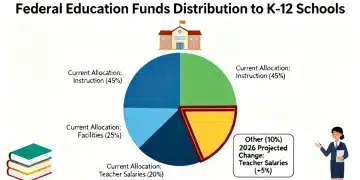
The American education system faces ongoing challenges, from funding disparities to preparing students for a rapidly evolving job market. By 2026, we anticipate significant legislative changes aimed at overhauling various aspects of education, from early childhood learning to higher education and vocational training. The goal is to create a more equitable, effective, and future-ready educational landscape that can meet the demands of the 21st-century workforce and foster lifelong learning.
A key area of legislative focus will be early childhood education. Research consistently shows the long-term benefits of quality preschool programs. Expect legislative efforts to expand access to affordable, high-quality pre-kindergarten for all children, potentially through federal funding initiatives and partnerships with states. This investment is seen as crucial for closing achievement gaps and laying a strong foundation for future academic success.
Priorities in Education Legislation
- Universal Pre-Kindergarten: Federal incentives and funding to support states in establishing or expanding universal pre-kindergarten programs.
- STEM Education Funding: Increased investment in science, technology, engineering, and mathematics (STEM) programs from K-12 through higher education to build a skilled workforce.
- Affordable Higher Education: Legislative efforts to address rising tuition costs, student loan debt, and expand Pell Grants and other financial aid programs.
- Vocational and Technical Training: Enhanced funding for career and technical education (CTE) programs to equip students with practical skills for in-demand jobs.
Higher education affordability and accessibility will also remain central to legislative debates. With student loan debt reaching record levels, there’s a strong push for reforms to make college more affordable, potentially through expanded federal aid, tuition caps, or student loan forgiveness programs. Additionally, legislation might aim to streamline the transfer of credits between institutions and promote innovative models of higher education, such as competency-based learning.
Furthermore, workforce development and vocational training are expected to receive significant legislative attention. As industries transform, there’s a growing need for skilled trades and technical professionals. Legislation could fund partnerships between educational institutions and businesses, expand apprenticeship programs, and provide incentives for individuals to pursue vocational training in high-demand fields. The aim is to ensure that the American workforce possesses the skills necessary to drive economic innovation and competitiveness.
Criminal Justice Reform: Towards a More Equitable System
Criminal justice reform continues to be a critical area of legislative focus, driven by calls for a more equitable, effective, and humane system. By the end of 2026, we anticipate significant legislative changes that address issues ranging from sentencing guidelines and policing practices to rehabilitation and reentry programs. The goal is to reduce recidivism, address systemic biases, and ensure justice is administered fairly across all communities.
One primary area of reform involves sentencing. There is a growing consensus that mandatory minimum sentences and overly punitive laws have contributed to mass incarceration without necessarily enhancing public safety. Legislative efforts will likely focus on reviewing and revising these sentencing guidelines, promoting judicial discretion, and potentially reclassifying certain non-violent offenses to reduce prison populations. The aim is to ensure that sentences are proportionate to the crime and focused on rehabilitation.
Key Criminal Justice Reforms
- Sentencing Reform: Revision of mandatory minimum sentences and expansion of alternative sentencing options for non-violent offenses.
- Police Accountability: Legislation to enhance transparency and accountability in policing, including body camera mandates, use-of-force policies, and independent oversight.
- Reentry Programs: Increased funding and support for programs that help formerly incarcerated individuals reintegrate into society, including job training and housing assistance.
Police reform is another critical component. Following widespread protests and demands for change, legislative proposals are expected to address issues of police accountability, use of force, and community relations. This could include federal mandates for body cameras, independent investigations of police misconduct, and training programs focused on de-escalation and implicit bias. The objective is to build trust between law enforcement and the communities they serve while ensuring officers have the resources and training to perform their duties effectively.
Moreover, rehabilitation and reentry programs are gaining significant legislative traction. Recognizing that successful reintegration into society is key to reducing recidivism, new laws are expected to expand access to education, job training, housing assistance, and mental health services for formerly incarcerated individuals. This holistic approach aims to break the cycle of incarceration and provide individuals with the tools they need to become productive members of society, ultimately enhancing public safety for everyone.
| Key Legislative Area | Expected Changes by 2026 |
|---|---|
| Healthcare Reform | Expansion of Medicare benefits, prescription drug price negotiation, and enhanced mental health access. |
| Climate & Energy | Increased investment in renewables, enhanced tax credits for green tech, and grid modernization. |
| Tech Regulation | National data privacy standard, AI governance frameworks, and stronger antitrust enforcement. |
| Infrastructure | Broadband expansion, public transit upgrades, and investment in climate-resilient water systems. |
Frequently Asked Questions About 2026 Legislative Changes
By 2026, significant healthcare reforms are anticipated, including expanded Medicare benefits to cover dental, vision, and hearing. Further legislative action is also expected to empower Medicare to negotiate a broader range of prescription drug prices, aiming to reduce costs for consumers across the nation.
Climate change legislation will likely see a stronger push for sustainable energy policies by 2026. This includes enhanced tax credits for renewable energy projects, significant funding for grid modernization, and new incentives for carbon capture technologies to reduce overall emissions and promote environmental sustainability.
New technology regulations by 2026 are expected to include a national data privacy standard, offering consumers more control over their personal information. Additionally, legislative frameworks for AI governance will address ethical development and deployment, alongside enhanced antitrust enforcement for major tech companies to foster competition.
Infrastructure legislation by 2026 will prioritize broadband expansion to underserved areas and significant upgrades to public transit systems. There will also be continued investment in climate-resilient water infrastructure, including repairing aging pipes and improving wastewater treatment facilities to ensure national robustness.
Yes, significant tax code revisions are anticipated by 2026. These may include adjustments to individual income tax brackets, potential reforms to capital gains taxes, and enhancements to the child tax credit. Corporate tax structures might also see changes aimed at promoting global competitiveness and ensuring fair contributions.
Conclusion
The legislative landscape through 2026 promises to be dynamic and impactful, shaping the future of the United States across multiple critical sectors. From healthcare and climate policy to technology regulation, infrastructure, and criminal justice, the anticipated changes reflect a concerted effort to address pressing national challenges and propel the country forward. Staying informed about these developments is not just advised but essential for individuals, businesses, and communities alike to navigate the evolving political and economic terrain effectively.
Autor