Military Family Benefits 2026: Housing & Education Updates

Military Family Benefits in 2026 are undergoing significant changes, particularly concerning housing allowances and education assistance programs, aiming to better support service members and their dependents.
Are you a military family member looking ahead to the financial landscape of 2026? The anticipation surrounding the upcoming adjustments to
Military Family Benefits 2026: Key Changes to Housing Allowances and Education Assistance Programs
is palpable, as these updates are set to significantly impact the lives of service members and their dependents across the United States. Understanding these modifications is not just about staying informed; it’s about strategically planning for your family’s future. Let’s delve into what these changes entail and how they could redefine your support structure.
Understanding the Evolution of Military Family Benefits
Military families are the backbone of the nation, making immense sacrifices that extend beyond the service member themselves. Recognizing this, the Department of Defense (DoD) continually evaluates and adjusts its benefits programs to ensure they remain relevant and supportive. The year 2026 marks a significant juncture for these benefits, with a particular focus on two critical areas: housing and education. These changes are not arbitrary; they stem from extensive research, economic forecasts, and feedback from the military community, all aimed at enhancing the quality of life for those who serve.
The evolution of military benefits reflects a dynamic process, adapting to economic shifts, cost-of-living increases, and the unique challenges faced by service members and their families. Historically, benefits have served as a crucial recruitment and retention tool, ensuring that the military remains an attractive career path. As we approach 2026, the emphasis is on refining these benefits to be more equitable, accessible, and impactful, addressing the contemporary needs of a diverse military population.
The foundational principles guiding benefit changes
- Economic Equity: Ensuring that benefits keep pace with inflation and regional cost-of-living differences.
- Service Member Retention: Providing incentives that encourage experienced personnel to continue their service.
- Family Well-being: Enhancing programs that directly contribute to the stability and prosperity of military families.
The comprehensive review leading to the 2026 changes involved various stakeholders, including military advocacy groups, financial experts, and government officials. Their collective insights have shaped a package of reforms designed to offer more targeted support. This proactive approach aims to mitigate financial stressors and provide greater security, allowing service members to focus on their mission with peace of mind regarding their families’ welfare.
In conclusion, the upcoming changes to military family benefits in 2026 represent a thoughtful and strategic effort to bolster the support system for service members and their families. By understanding the underlying principles and the areas of focus, families can better prepare for these adjustments and leverage the enhanced opportunities available to them.
Significant Adjustments to Basic Allowance for Housing (BAH) in 2026
One of the most anticipated aspects of the 2026 military benefits overhaul concerns the Basic Allowance for Housing (BAH). BAH is a critical component of a service member’s compensation, designed to offset the cost of housing when government quarters are not provided. For 2026, the DoD has announced significant adjustments aimed at better reflecting current market rates and improving housing affordability for military families across various locations.
These adjustments are a direct response to rising housing costs in many parts of the United States. The goal is to ensure that BAH rates accurately cover a substantial portion of rental housing expenses, preventing service members from incurring out-of-pocket costs that could lead to financial strain. The methodology for calculating BAH has been refined to incorporate more current and localized market data, ensuring that the allowances are fair and reflective of real-world housing prices.
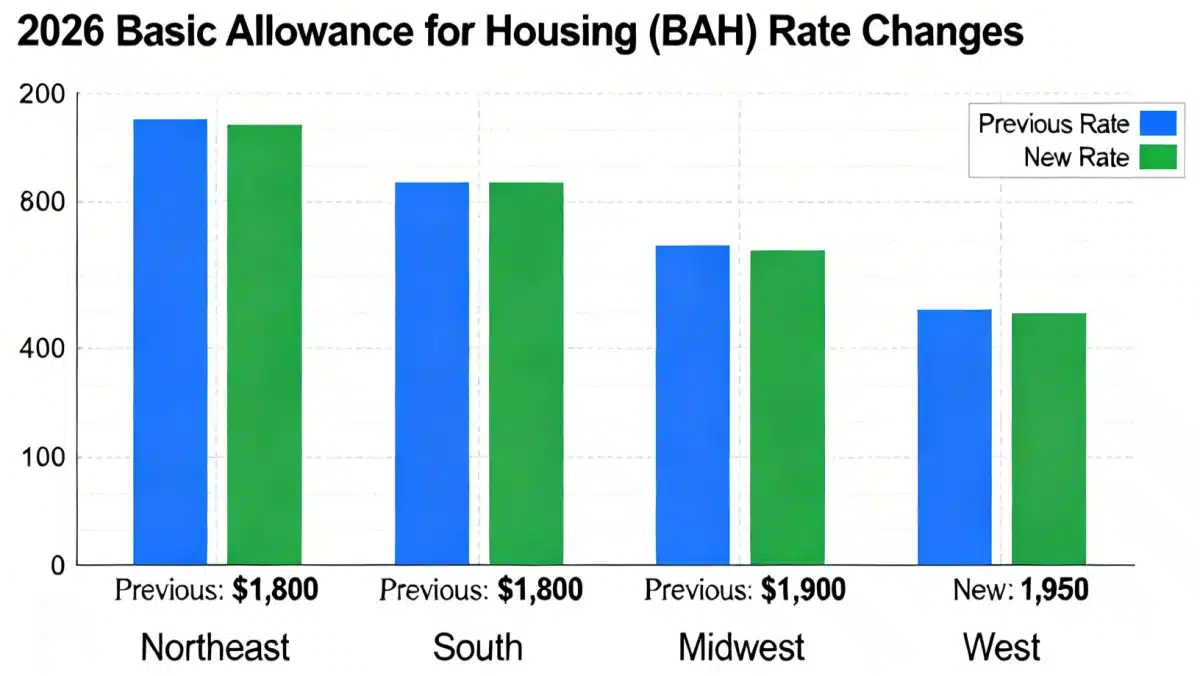
The changes will likely see increases in BAH rates for high-cost-of-living areas, while adjustments in other regions will ensure continued equity. This recalibration is essential for maintaining the financial health of military families, especially those frequently relocating due to permanent change of station (PCS) orders.
Key factors influencing BAH rate revisions
- Local housing market analysis: More granular data collection to capture specific regional variations.
- Rent and utility cost surveys: Comprehensive surveys to determine average expenses for different housing types.
- Economic inflation rates: Accounting for the broader economic environment’s impact on housing affordability.
Families should anticipate that these changes will vary geographically. While some areas may see substantial increases, others might experience more modest adjustments. It is crucial for service members to consult official DoD resources and their local housing offices for precise information pertaining to their specific duty station. The DoD is committed to transparency, providing tools and calculators to help families understand their new BAH entitlements.
In summary, the 2026 BAH adjustments are a proactive measure to ensure military families have adequate financial support for housing. By adopting a more responsive and accurate calculation method, the DoD aims to alleviate housing-related financial burdens, thereby enhancing the overall well-being of service members and their dependents.
Enhancements to Education Assistance Programs for Dependents
Beyond housing, education assistance programs for military dependents are also slated for significant enhancements in 2026. Recognizing the importance of quality education for the children and spouses of service members, the DoD is expanding access and improving the scope of existing benefits. These changes are designed to provide greater educational opportunities, from K-12 support to higher education and vocational training.
The focus on education assistance reflects a broader understanding that a well-educated family is a resilient family. Frequent relocations, a common aspect of military life, can disrupt educational continuity. The 2026 enhancements aim to mitigate these challenges by offering more flexible and comprehensive support, ensuring that military children and spouses can pursue their academic and professional goals regardless of their location.
New initiatives and expanded benefits
- Increased funding for K-12 support: Providing additional resources for tutoring, special education services, and extracurricular activities.
- Expanded scholarship opportunities: More scholarships available for higher education, including community colleges and technical schools.
- Enhanced spouse education programs: Greater access to tuition assistance and career counseling for military spouses.
One notable change is the introduction of new pathways for military spouses to complete their degrees or acquire new skills. These programs are specifically tailored to address the unique challenges spouses face, such as frequent moves and the need for portable careers. By investing in spouse education, the DoD not only empowers individuals but also strengthens the financial stability of the entire military family.
Furthermore, the enhancements include provisions for improved educational counseling and support services. Military families will have better access to resources that can guide them through the complexities of school transitions, college applications, and financial aid processes. This holistic approach ensures that families are not only provided with financial assistance but also with the guidance needed to navigate the educational landscape effectively.
In conclusion, the 2026 enhancements to education assistance programs underscore the DoD’s commitment to the academic and professional development of military dependents. These changes will unlock new opportunities, foster educational continuity, and ultimately contribute to the long-term success and well-being of military families.
Navigating the New Financial Landscape: Tips for Military Families
The changes to Military Family Benefits 2026 present both opportunities and challenges. Navigating this new financial landscape requires proactive planning and a clear understanding of how these adjustments will impact your family’s budget and long-term goals. It’s an opportune moment to reassess your financial strategies and ensure you are maximizing the benefits available to you.
One of the most crucial tips for military families is to stay informed. Official channels, such as the DoD website, military finance offices, and family readiness centers, will be the primary sources of accurate and up-to-date information. Avoid relying on unofficial sources, as misinformation can lead to poor financial decisions. Regularly checking for updates and attending informational briefings can make a significant difference.
Strategic financial planning steps
- Review your budget: Adjust your family budget to reflect any changes in BAH or other allowances.
- Consult with financial advisors: Seek guidance from military-specific financial counselors who understand your unique circumstances.
- Explore all eligible benefits: Ensure you are aware of and utilizing every benefit your family qualifies for, including those beyond housing and education.
Another key aspect is to understand the regional variations in BAH. If you anticipate a Permanent Change of Station (PCS) in 2026, research the BAH rates for your prospective duty station well in advance. This foresight can help you make informed decisions about housing options and avoid unexpected financial burdens upon arrival. Consider factors like local rental market trends and the availability of on-base housing.
For education benefits, begin planning early. If your children are approaching college age or your spouse is considering further education, explore the expanded scholarship and tuition assistance programs. Understanding application deadlines, eligibility criteria, and required documentation will streamline the process and increase your chances of securing valuable educational support.
In conclusion, effectively navigating the 2026 military benefits landscape hinges on being informed, proactive, and strategic. By taking these steps, military families can adapt to the changes smoothly, optimize their financial well-being, and continue to thrive despite the unique demands of military life.
Impact on Military Spouses: Career and Education Opportunities
The 2026 shifts in Military Family Benefits 2026 are poised to have a particularly profound impact on military spouses, offering enhanced career and education opportunities. Historically, military spouses have faced significant challenges in maintaining stable careers and pursuing higher education due to frequent relocations and the demands of military life. The upcoming changes aim to directly address these barriers, fostering greater economic independence and professional growth.
The renewed focus on spouse-specific programs reflects a recognition of their vital role in the military community and the overall well-being of service members. By providing more robust support for education and career development, the DoD seeks to empower spouses to build portable careers that can withstand the challenges of military life, thereby contributing significantly to the family’s financial stability and overall quality of life.
Key areas of spouse benefit enhancements
- Expanded Tuition Assistance: Increased funding and flexibility for spouses pursuing degrees or certifications.
- Career Counseling and Job Placement: More comprehensive services to help spouses identify portable careers and secure employment.
- Licensure and Certification Reimbursement: Assistance with costs associated with transferring professional licenses between states.
One of the most impactful changes is the potential for increased reimbursement for professional licensure and certification fees. Military spouses often hold licenses or certifications that are not recognized across state lines, forcing them to incur significant costs and delays when relocating. This enhancement seeks to alleviate that burden, making it easier for spouses to continue their professional careers seamlessly.
Furthermore, enhanced career counseling and job placement services will play a crucial role. These services will connect spouses with employers who understand the unique circumstances of military families and offer flexible work arrangements. The goal is to create a more supportive ecosystem where spouses can find meaningful employment and build sustainable career paths, regardless of their duty station.
In conclusion, the 2026 changes to military family benefits signal a significant step forward in supporting military spouses. By investing in their education and career development, the DoD is not only empowering individuals but also strengthening the entire military family unit, leading to greater resilience and financial security.
Future Outlook: Long-Term Implications of 2026 Benefit Changes
Looking beyond 2026, the long-term implications of these benefit changes are expected to be far-reaching, shaping the future landscape of military service and family support. The adjustments to housing allowances and education assistance programs are not merely short-term fixes but rather strategic investments designed to foster a more stable, attractive, and sustainable military career path for service members and their families.
The emphasis on improving BAH and education benefits is anticipated to have a positive ripple effect on military retention rates. When service members feel confident that their families are well-supported, particularly in critical areas like housing and education, they are more likely to commit to longer careers. This stability benefits the military by retaining experienced personnel and reducing turnover costs.
Projected long-term impacts
- Improved Retention Rates: Greater family support leads to increased job satisfaction and longer service commitments.
- Enhanced Recruitment Efforts: Attractive benefits packages draw in high-quality recruits.
- Stronger Military Communities: Financially secure and well-educated families contribute to more vibrant and resilient military communities.
Moreover, the enhanced education opportunities for dependents and spouses are expected to contribute to a more educated and skilled military community overall. This intellectual capital can translate into greater innovation, adaptability, and leadership within military families, ultimately benefiting society at large. The investment in human capital is a key component of national security.
The DoD’s commitment to regularly reviewing and adjusting benefits also signals a responsive and adaptive approach to supporting its personnel. This ongoing evaluation process ensures that future benefits remain aligned with economic realities and the evolving needs of military families. This forward-thinking strategy builds trust and confidence within the military community.
In conclusion, the 2026 benefit changes are set to create a more robust and responsive support system for military families. Their long-term implications point towards a future where military service is not only a noble calling but also a career path that offers comprehensive well-being and abundant opportunities for growth and stability for the entire family.
Preparing for the 2026 Military Benefit Updates
As 2026 approaches, proactive preparation is key for military families to fully leverage the upcoming changes in housing allowances and education assistance programs. Understanding the timeline and necessary steps will ensure a smooth transition and maximize the positive impact of these enhanced benefits on your family’s future.
One of the initial steps involves familiarizing yourself with the official announcements and detailed breakdowns of the changes. The DoD typically releases comprehensive guides and FAQs well in advance. These resources are invaluable for understanding specific eligibility criteria, application processes, and any new forms or documentation required. Regularly checking official military news outlets and benefit portals is highly recommended.
Actionable steps for military families
- Review official DoD communications: Stay updated through official websites and military channels.
- Attend informational workshops: Participate in webinars or local briefings offered by military support services.
- Update personal records: Ensure all family and service records are current to avoid delays in benefit processing.
For housing allowances, if you are planning a move around 2026, begin researching the projected BAH rates for your potential new location early. This will help you make informed decisions about whether to live on-base or off-base and how to budget for rental costs. Consider reaching out to the housing office at your prospective duty station for personalized guidance.
Regarding education assistance, start gathering academic transcripts, financial aid forms, and any other necessary documentation for both K-12 support and higher education programs. For spouses, explore the requirements for professional license reciprocity in different states if a PCS is anticipated. Early preparation can prevent last-minute stress and ensure you meet all deadlines.
In conclusion, preparing for the 2026 military benefit updates is an ongoing process that requires diligence and foresight. By staying informed, actively engaging with available resources, and taking proactive steps, military families can navigate these changes effectively and harness the full potential of the enhanced support systems designed for their well-being.
| Key Benefit Area | 2026 Key Changes |
|---|---|
| Basic Allowance for Housing (BAH) | Adjustments to better reflect local market rates and improve affordability for military families. |
| Education Assistance Programs | Expanded access and scope for dependents, including K-12 support and higher education. |
| Military Spouses Support | Enhanced career and education opportunities, including tuition assistance and licensure reimbursement. |
| Financial Planning | Increased need for proactive budget review and consultation with financial advisors. |
Frequently Asked Questions About 2026 Military Family Benefits
The primary changes to Basic Allowance for Housing (BAH) for 2026 involve adjustments to better align with current local housing market rates. These revisions aim to ensure military families receive adequate financial support for off-base housing, particularly in areas with increasing rental costs, reducing out-of-pocket expenses for service members.
Education assistance programs for dependents in 2026 will see expanded access and scope. This includes increased funding for K-12 support services, more scholarship opportunities for higher education, and enhanced programs specifically designed to support military spouses in their academic and career pursuits, promoting continuity despite relocations.
Yes, 2026 brings new and enhanced benefits specifically for military spouses. These include expanded tuition assistance for degree and certification programs, comprehensive career counseling and job placement services, and potential reimbursement for professional licensure and certification transfer fees, addressing unique challenges faced by military spouses in their careers.
Military families should seek official information from reliable sources such as the Department of Defense (DoD) website, military finance offices, and local family readiness centers. These channels provide accurate, up-to-date details, guides, and tools to help families understand and utilize the new 2026 Military Family Benefits effectively.
To best prepare, families should stay informed through official channels, review their current budgets, and consult with military financial advisors. For education, gather necessary documents early. For housing, research projected BAH rates for potential future duty stations. Proactive planning ensures optimal utilization of the enhanced 2026 benefits.
Conclusion
The impending changes to Military Family Benefits 2026: Key Changes to Housing Allowances and Education Assistance Programs represent a significant evolution in how the United States supports its service members and their families. These adjustments are a testament to the ongoing commitment to enhance the quality of life, financial stability, and educational opportunities for those who make immense sacrifices for our nation. By understanding and strategically planning for these updates, military families can navigate the future with greater confidence and security, ensuring they continue to thrive in their unique circumstances. The proactive approach taken by the DoD underscores a forward-thinking vision, aiming to create a more resilient and well-supported military community for years to come.
Autor