LIHEAP 2026: Apply Now for Winter Heating and Cooling Support

The Home Energy Assistance Program (LIHEAP) 2026 offers crucial federal funding to assist low-income households across the United States with their energy bills, ensuring access to affordable heating and cooling.
Are you concerned about keeping your home warm this winter or cool next summer? The Home Energy Assistance Program (LIHEAP) 2026: Apply Now for Winter Heating and Cooling Support is a critical lifeline for millions of American families. This federal program provides essential financial aid to help low-income households manage their energy costs, ensuring comfort and safety throughout the year.
Understanding the Home Energy Assistance Program (LIHEAP) 2026
The Low Income Home Energy Assistance Program, widely known as LIHEAP, is a federally funded initiative designed to help low-income households with their home energy bills. This crucial program addresses the significant financial burden that heating and cooling costs can place on vulnerable families, preventing energy-related crises, and promoting public health and safety. As we approach 2026, understanding the nuances of LIHEAP becomes even more vital for those seeking assistance.
LIHEAP operates through grants to states, territories, and Native American tribes, which then administer the program locally. This decentralized approach means that eligibility requirements, application periods, and the types of assistance available can vary significantly from one state or even county to another. Despite these variations, the core mission of LIHEAP remains consistent: to provide a safety net for those struggling to afford their energy needs.
What LIHEAP Covers
LIHEAP primarily focuses on two critical aspects of home energy: heating and cooling. However, its scope can extend to other energy-related needs depending on local program design.
- Heating Assistance: This is often the most recognized component, helping families pay for natural gas, electricity, propane, wood, and other heating fuels during colder months.
- Cooling Assistance: In regions with hot climates, LIHEAP provides support for electricity bills to operate air conditioning, preventing heat-related illnesses.
- Energy Crisis Assistance: For households facing immediate energy shut-offs or needing fuel deliveries to avoid a crisis, LIHEAP can offer emergency aid.
- Weatherization and Energy-Related Home Repairs: Some LIHEAP funds may also be used for minor home repairs that improve energy efficiency, such as sealing leaks or repairing furnaces, though this is less common than direct bill payment assistance.
The program aims to reduce the risk of health and safety problems caused by inadequate heating or cooling. By alleviating the financial strain of energy bills, LIHEAP allows families to allocate their limited resources to other necessities like food, medicine, and housing. This holistic support is what makes LIHEAP an indispensable program for many communities across the United States, especially as energy costs continue to fluctuate.
Eligibility Requirements for LIHEAP 2026
Determining eligibility for the Home Energy Assistance Program (LIHEAP) in 2026 is a critical first step for any household seeking support. While federal guidelines set the overarching framework, states and local agencies have the flexibility to establish specific criteria that best suit the needs of their communities. This means that what qualifies you in one state might differ slightly in another, making it essential to consult your local LIHEAP office.
Generally, eligibility for LIHEAP is based on income, household size, and the presence of vulnerable individuals within the household, such as the elderly, disabled, or young children. The program is designed to assist those with the lowest incomes who are most at risk of energy-related hardship.
Income Guidelines
The primary determinant of eligibility is household income. Most states use the federal poverty guidelines or a percentage of the state median income (SMI) as their benchmark. For LIHEAP 2026, households typically must have an income at or below 150% of the federal poverty guidelines or 60% of the state median income, whichever is higher. However, some states may set their limits slightly differently.
- Federal Poverty Guidelines: These are updated annually by the Department of Health and Human Services (HHS) and vary based on household size.
- State Median Income (SMI): Each state calculates its median income, and a percentage of this figure is often used for LIHEAP eligibility.
- Automatic Eligibility: Households where all members receive certain other federal benefits, such as SNAP (food stamps), SSI, or TANF, are often automatically considered income-eligible for LIHEAP.
It’s important to remember that these are general guidelines. A household’s exact income will be compared against the specific thresholds set by their state’s LIHEAP administering agency for the 2026 program year. Documentation of all household income sources will be required during the application process.
Household Composition and Vulnerability
Beyond income, the composition of your household can also play a role in eligibility and the level of assistance received. Households with members who are particularly vulnerable to energy-related health risks are often prioritized.
This includes households with:
- Elderly individuals (usually aged 60 or 65 and older).
- Individuals with disabilities.
- Young children (typically under the age of six).
These factors are considered because these groups are more susceptible to the adverse health effects of extreme temperatures, making energy assistance even more critical for their well-being. Furthermore, the number of people living in your household directly impacts the income threshold you must meet. A larger household will typically have a higher income limit to qualify for LIHEAP, reflecting the increased expenses associated with more residents.
In conclusion, while income is the main factor, state-specific rules and household vulnerability are also key to determining who qualifies for LIHEAP 2026. Always check with your local agency for the most accurate and up-to-date information.
The Application Process for LIHEAP 2026
Navigating the application process for the Home Energy Assistance Program (LIHEAP) 2026 requires careful attention to detail and a clear understanding of local procedures. While the overall goal is consistent across the nation, the specific steps and required documentation can vary by state and even by county. Being prepared and knowing where to start will significantly streamline your application journey.
The first and most crucial step is identifying your local LIHEAP administering agency. This is typically a state or county social services department, a community action agency, or a non-profit organization designated to manage the program. A simple online search for “LIHEAP [Your State/County]” should provide you with the necessary contact information and application details.
Finding Your Local LIHEAP Office
Most states have a dedicated website or hotline for their LIHEAP program. These resources will provide information on:
- Application periods (which can be specific for heating, cooling, or crisis assistance).
- Required documentation.
- Downloadable application forms.
- Office locations and hours for in-person assistance.
It is highly recommended to contact your local office directly to confirm the most current information, as program details can change. They can also answer specific questions about your household’s eligibility and guide you through the application process efficiently. Do not rely solely on outdated information or general federal guidelines, as local implementations are key.
Required Documentation
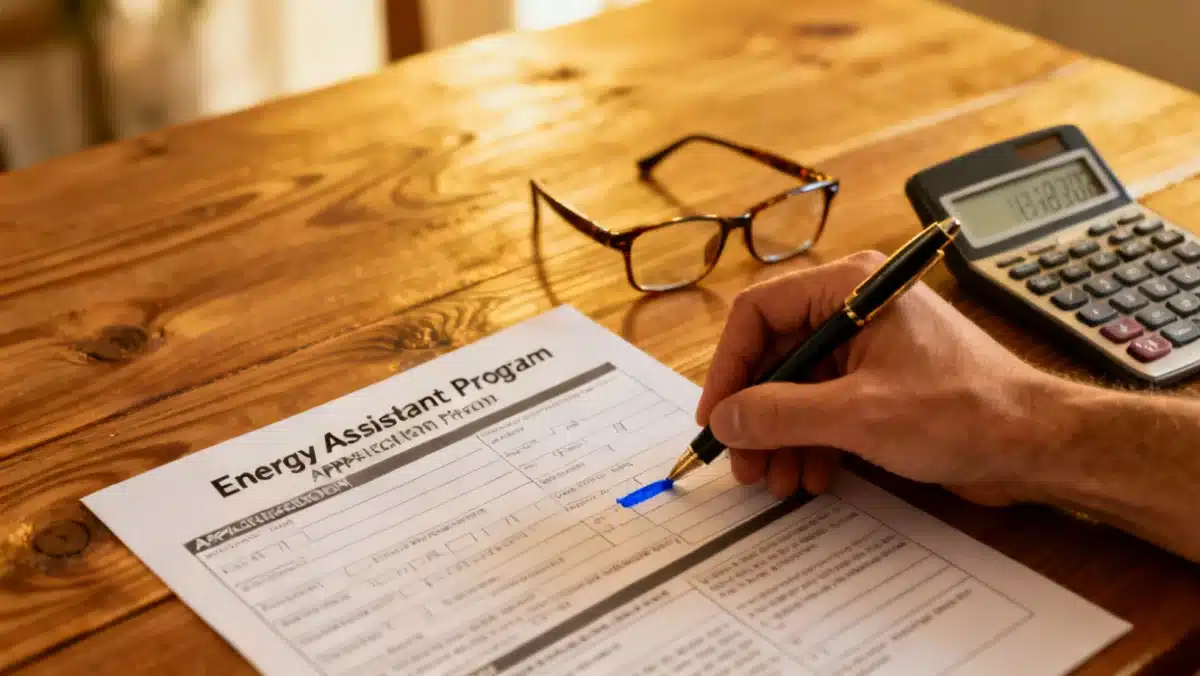
When applying for LIHEAP 2026, you will need to provide several documents to verify your identity, residency, income, and household composition. Gathering these documents in advance will prevent delays in processing your application.
Commonly required documents include:
- Proof of Identity: Photo ID for all adult household members (e.g., driver’s license, state ID).
- Proof of Residency: A utility bill or lease agreement showing your current address.
- Proof of Income: Pay stubs, Social Security benefit statements, unemployment benefit statements, or tax returns for all household members for the past 30 days or longer, depending on state requirements.
- Household Composition: Birth certificates, Social Security cards, or other documents for all household members to verify their presence and age.
- Energy Bill Information: Recent copies of your heating and/or cooling bills, including account numbers and utility provider names.
Ensure all documents are current and legible. Some agencies may require original documents, while others accept copies. Always clarify these requirements with your local office. The more complete and accurate your application, the faster it can be processed, and the sooner you can receive assistance. Submitting an incomplete application is a common reason for delays or denials.
In essence, applying for LIHEAP 2026 involves researching local requirements, gathering necessary documents, and submitting a complete application to your designated agency. Proactive preparation is your best strategy for a successful application.
Key Dates and Deadlines for LIHEAP 2026
Understanding the key dates and deadlines for the Home Energy Assistance Program (LIHEAP) in 2026 is crucial for securing timely support. Unlike some ongoing benefit programs, LIHEAP often operates with specific application windows that can vary significantly depending on the type of assistance needed (e.g., heating, cooling, or crisis) and the state or local agency administering the funds. Missing these deadlines could mean delaying or even missing out on critical aid.
Generally, heating assistance programs open in the fall, typically around October or November, and run through the winter months. Cooling assistance programs usually begin in the spring or early summer. However, these are broad generalizations, and local agencies have the autonomy to set their own schedules based on funding availability and local climate needs.
Typical Application Periods
While specific dates vary, here’s a general overview of when to expect LIHEAP application periods:
- Heating Season Assistance: Applications often open in October or November and may close in March or April. Some states offer multiple application periods or continuous enrollment until funds are exhausted.
- Cooling Season Assistance: Applications typically open in May or June and may close in August or September, depending on the duration of hot weather in a particular region.
- Crisis Assistance: This type of aid is usually available year-round, or whenever a household faces an immediate energy emergency, such as a shut-off notice. However, even crisis assistance can have specific procedural deadlines once an application is initiated.
It is imperative to note that funds for LIHEAP are limited and often distributed on a first-come, first-served basis. This means that even if an application period is officially open, funds could be depleted before the stated closing date. Therefore, applying as early as possible once the window opens is highly advisable to increase your chances of receiving assistance.
Importance of Early Application
Applying early for LIHEAP 2026 offers several distinct advantages:
- Fund Availability: As mentioned, funds are finite. Early applicants are more likely to receive assistance before the program’s budget is exhausted.
- Processing Time: Applications can take time to process. Submitting early allows for your application to be reviewed and approved well before you face an energy crisis. This is particularly important for heating assistance as winter approaches.
- Opportunity for Corrections: If there are any errors or missing documents in your application, applying early provides a buffer to make necessary corrections without jeopardizing your chances due to time constraints.
To stay informed about specific dates for your area, regularly check the website of your state’s LIHEAP agency, contact your local community action agency, or subscribe to their newsletters if available. These resources are the most reliable source for up-to-the-minute information on application windows and deadlines for LIHEAP 2026. Being proactive about these dates ensures you can access the support you need when you need it most.
Benefits of Receiving LIHEAP Assistance
The Home Energy Assistance Program (LIHEAP) offers far more than just financial relief; it provides a foundational layer of stability and well-being for low-income households. The benefits extend beyond simply paying a bill, impacting health, safety, and overall quality of life. Understanding these broader advantages underscores the critical role LIHEAP plays in communities across the United States.
At its core, LIHEAP directly addresses the issue of energy poverty, a situation where households spend a disproportionate amount of their income on energy costs. By reducing this burden, families can redirect their limited financial resources to other essential needs, fostering greater economic stability and reducing stress.
Ensuring Health and Safety
One of the most significant benefits of LIHEAP is its direct impact on public health and safety. Extreme temperatures, whether freezing cold or sweltering hot, pose serious health risks, especially for vulnerable populations.
- Preventing Cold-Related Illnesses: Adequate heating prevents hypothermia, frostbite, and exacerbation of respiratory conditions like asthma and COPD, which are more common in inadequately heated homes.
- Mitigating Heat-Related Illnesses: Access to cooling prevents heatstroke, dehydration, and other heat-related emergencies, particularly vital for the elderly and those with chronic health conditions.
- Reducing Fire Hazards: Households struggling with energy costs might resort to unsafe heating methods (e.g., using ovens or space heaters improperly), increasing the risk of house fires. LIHEAP helps avoid such dangerous practices.
By ensuring that homes remain at safe and healthy temperatures year-round, LIHEAP directly contributes to the physical well-being of its recipients, reducing emergency room visits and improving overall community health outcomes.
Financial Stability and Peace of Mind
Beyond immediate health benefits, LIHEAP provides crucial financial stability and peace of mind for struggling families. Energy bills can be unpredictable, especially during peak seasons, and for those on fixed or low incomes, these fluctuations can be devastating.
LIHEAP assistance can:
- Prevent Utility Shut-offs: Direct payments to utility companies can prevent disconnection of services, maintaining essential heating or cooling.
- Free Up Income for Other Necessities: With energy costs covered, families can use their money for food, medicine, rent, or transportation, alleviating financial strain.
- Reduce Debt Accumulation: By helping to pay current bills, LIHEAP can prevent the accumulation of high energy debts that are difficult to overcome.
The psychological benefit of knowing that heating or cooling costs are manageable cannot be overstated. It reduces anxiety and stress, allowing households to focus on other aspects of their lives without the constant worry of an impending energy crisis. In essence, LIHEAP is an investment in the health, safety, and economic security of the nation’s most vulnerable populations, reinforcing the idea that a stable home environment is a fundamental right.
What to Do if Your LIHEAP Application is Denied
Receiving a denial for your Home Energy Assistance Program (LIHEAP) 2026 application can be disheartening, but it’s not always the end of the road. Understanding the reasons for denial and knowing the steps you can take to appeal or reapply are crucial. Many denials stem from correctable issues, such as incomplete documentation or misinterpretation of eligibility criteria. Therefore, the first step is to carefully review the denial notice you receive.
The denial notice should clearly state the reason(s) why your application was not approved. This information is vital for determining your next course of action. Common reasons for denial include income exceeding limits, missing documentation, incorrect information, or applying outside the designated application period.
Understanding the Denial Reasons
Before taking any action, thoroughly read and understand why your application was denied. If the reason is unclear, contact your local LIHEAP agency for clarification. They can explain the specific rule or missing piece of information that led to the denial.
- Income Exceeds Limits: If your household income was deemed too high, re-evaluate all income sources and ensure accurate reporting. Sometimes, temporary income increases or miscalculations can lead to this issue.
- Incomplete Documentation: This is a very common reason. Double-check if all required documents (proof of income, residency, identity, utility bills) were submitted and were current and legible.
- Incorrect Information: Errors in personal details, household size, or utility account numbers can lead to a denial.
- Missed Deadlines: If you applied after the program’s funds were exhausted or outside the specific application window, you might need to wait for the next cycle or look into crisis assistance.
Identifying the exact reason helps you focus your efforts on addressing the specific problem, rather than a general reapplication.
Appealing or Reapplying
Once you understand the reason for denial, you typically have two main avenues: appealing the decision or reapplying. Your denial notice should provide instructions on how to appeal.
Appealing the Decision:
- Formal Appeal Process: Most LIHEAP agencies have a formal appeal process. This usually involves submitting a written request for an appeal within a specific timeframe (e.g., 30 days from the denial notice).
- Provide New Information: During an appeal, you will have the opportunity to present new documentation, clarify previously submitted information, or explain circumstances that might affect your eligibility (e.g., a recent job loss not reflected in initial income documents).
- Hearing: In some cases, an appeal may involve a hearing where you can present your case to an appeals officer.
Reapplying:
- If the issue was a simple oversight, like a missing document, and the application period is still open, you might be advised to reapply with the corrected information.
- If your circumstances have changed significantly (e.g., a decrease in income), reapplying might be more appropriate than appealing, especially if the original denial was clearly due to exceeding income limits based on old information.
It’s crucial to act quickly, as there are often strict deadlines for appeals. Don’t hesitate to seek assistance from your local LIHEAP office or a legal aid service if you need help understanding the process or preparing your appeal. A denial is not necessarily a permanent rejection; with persistence and accurate information, you may still be able to secure the LIHEAP assistance you need for 2026.
Future Outlook and Changes for LIHEAP in 2026
As we look ahead to 2026, the Home Energy Assistance Program (LIHEAP) continues to be a cornerstone of support for low-income households, yet it also faces evolving challenges and potential changes. Understanding the future outlook for LIHEAP involves considering federal funding levels, policy adjustments, and the growing impact of climate change and energy market fluctuations. The program’s adaptability will be key to its ongoing effectiveness.
Federal funding for LIHEAP is determined annually by Congress, making it subject to political priorities and budgetary constraints. Advocates for the program consistently emphasize its vital role in preventing energy poverty and protecting vulnerable populations, pushing for stable or increased funding to meet rising energy costs and demand.
Potential Policy Adjustments and Funding
- Increased Emphasis on Energy Efficiency: There’s a growing national focus on energy efficiency and climate resilience. LIHEAP might see an increased allocation or encouragement for states to use a portion of their funds for weatherization and energy-saving home repairs, rather than just direct bill payments.
- Targeted Assistance: Policy discussions may explore ways to more effectively target assistance to the most vulnerable households, such as those with extremely high energy burdens or specific health vulnerabilities.
- Streamlined Application Processes: Efforts could be made to standardize or simplify the application process across states, making it easier for eligible households to apply and receive aid, reducing administrative burden.
The level of federal appropriation will largely dictate the program’s reach and the average benefit amount per household. Economic conditions, such as inflation and energy price volatility, will also influence the perceived need for and the actual impact of LIHEAP funding. A robust economy might see less demand, while economic downturns or soaring energy prices could increase the program’s importance.
Impact of Climate Change and Energy Markets
Climate change is already having a tangible impact on energy consumption patterns, and this trend is expected to continue into 2026 and beyond. More extreme weather events, including longer and hotter summers and more intense winter storms, place greater stress on household energy budgets.
- Increased Cooling Needs: Rising global temperatures mean that cooling assistance will become increasingly critical, even in regions traditionally focused on heating aid. This could shift the balance of LIHEAP funding priorities.
- Energy Market Volatility: Geopolitical events and global supply chain issues can lead to unpredictable fluctuations in fossil fuel prices, directly impacting the cost of heating and cooling. LIHEAP must remain flexible to respond to these market dynamics.
The future of LIHEAP in 2026 will likely involve a continued adaptation to these environmental and economic realities. Ensuring the program remains adequately funded and agile enough to respond to the evolving needs of low-income families will be paramount. Advocacy efforts and public awareness will play a critical role in shaping LIHEAP’s future, ensuring it continues to provide essential support for heating and cooling for those who need it most.
| Key Aspect | Brief Description |
|---|---|
| Program Purpose | Helps low-income households pay for heating and cooling costs, preventing energy crises. |
| Eligibility Criteria | Based on household income (typically 150% federal poverty level or 60% state median income) and household size. |
| Application Process | Contact local LIHEAP agency, gather proof of income, residency, and utility bills. |
| Key Dates | Application periods vary by state; apply early as funds are limited and often first-come, first-served. |
Frequently Asked Questions About LIHEAP 2026
Eligibility for LIHEAP 2026 is primarily based on household income, typically at or below 150% of the federal poverty guidelines or 60% of the state median income. Specific criteria vary by state, often prioritizing households with elderly, disabled, or young children. Contact your local agency for precise details.
LIHEAP 2026 covers various home energy costs, including heating fuels (natural gas, electricity, oil, propane, wood) and cooling expenses (electricity for air conditioning). It may also offer energy crisis assistance for shut-off prevention and, in some cases, minor energy-related home repairs or weatherization improvements.
You can apply for LIHEAP 2026 through your state or local LIHEAP administering agency, often a community action program. Application periods vary; heating assistance usually opens in fall, cooling in spring. It’s crucial to apply early as funds are limited and often distributed on a first-come, first-served basis.
Typically, you’ll need proof of identity for all adults, proof of residency (e.g., utility bill), proof of income for all household members (pay stubs, benefit statements), and copies of your current heating and cooling bills. Always check with your local agency for their specific required documentation list.
If your LIHEAP application is denied, carefully review the denial notice to understand the reason. You typically have the right to appeal the decision within a certain timeframe, or you may be able to reapply if the issue was a correctable error or your circumstances have changed. Contact your local agency for guidance.
Conclusion
The Home Energy Assistance Program (LIHEAP) 2026 continues to be a vital federal initiative, providing essential financial relief for low-income households struggling with heating and cooling costs across the United States. Its impact extends beyond mere bill payment, fostering health, safety, and financial stability for millions of vulnerable Americans. As energy costs fluctuate and climate patterns evolve, the program’s adaptability and continued funding remain critical. Understanding eligibility, navigating the application process, and being aware of key deadlines are paramount for those seeking assistance. LIHEAP stands as a testament to the nation’s commitment to ensuring that all citizens, regardless of income, can live in safe and comfortable home environments.
Autor