Federal Funding Changes K-12 Schools 2026: Impact on 45 Million Students
Federal funding changes for K-12 schools in 2026 are expected to significantly reshape educational programs and resources for approximately 45 million students across the United States, prompting widespread concern and strategic reevaluation.
An Education Alert: Federal Funding Changes for K-12 Schools in 2026 Expected to Impact 45 Million Students (RECENT UPDATES) is ringing across the nation, signaling a critical juncture for American education. As we approach 2026, the landscape of K-12 funding is poised for significant shifts, potentially altering the educational experiences of millions of students. What do these impending changes mean for school districts, educators, and, most importantly, the students themselves? Let’s delve into the specifics and understand the broad implications.
Understanding the Federal Role in K-12 Education Funding
Federal funding plays a crucial, albeit often supplementary, role in supporting K-12 education across the United States. While the majority of school funding comes from state and local sources, federal dollars are instrumental in addressing specific needs, promoting equity, and driving national educational priorities. These funds often target vulnerable student populations, innovative programs, and critical infrastructure.
Historically, federal contributions have focused on initiatives like Title I, which supports schools with high percentages of children from low-income families, and the Individuals with Disabilities Education Act (IDEA), ensuring that students with disabilities receive appropriate services. The federal government also funds programs related to school nutrition, teacher professional development, and educational technology. Understanding the existing framework is essential to grasping the potential ramifications of any changes.
Key Federal Education Programs
- Title I, Part A: Provides financial assistance to local educational agencies (LEAs) and schools with high numbers or high percentages of children from low-income families to help ensure that all children meet challenging state academic standards.
- Individuals with Disabilities Education Act (IDEA): Guarantees free appropriate public education (FAPE) for children with disabilities nationwide, ensuring special education and related services.
- School Nutrition Programs: Federal programs like the National School Lunch Program and School Breakfast Program provide nutritious meals to millions of students daily, particularly those from low-income households.
The federal government’s influence extends beyond direct financial aid, often shaping policy and accountability measures that guide state and local educational practices. Therefore, any adjustments to this funding structure can create ripple effects throughout the entire educational ecosystem, affecting everything from classroom resources to teacher salaries and specialized student support services.
The Impending Shifts: What’s on the Horizon for 2026?
The year 2026 is emerging as a pivotal moment for federal K-12 education funding, with several legislative and budgetary discussions indicating significant changes. These shifts are not arbitrary but stem from a confluence of factors, including evolving national priorities, economic pressures, and the sunsetting of certain pandemic-era relief funds that temporarily boosted educational budgets. The proposed alterations could redefine how resources are allocated and utilized by school districts.
Early reports and policy discussions suggest a re-evaluation of funding formulas, potentially leading to a redistribution of funds that might favor certain types of districts or programs over others. There’s also talk of stricter accountability measures tied to federal dollars, pushing schools to demonstrate clearer outcomes for the funding they receive. These discussions are complex, involving various stakeholders from policymakers to advocacy groups, all vying to shape the future of educational finance.
Potential Legislative Changes
- Reauthorization Debates: Key education acts, including the Elementary and Secondary Education Act (ESEA), often undergo reauthorization processes that can introduce new funding mechanisms or modify existing ones.
- Budgetary Realignment: Federal budget cycles frequently involve reallocations based on national economic projections and political priorities, potentially leading to increases or decreases in overall education appropriations.
- Sunset Clauses: Emergency funding initiatives, such as those implemented during the COVID-19 pandemic, often have expiration dates, and their absence will create a funding gap that needs to be addressed or absorbed.
These impending shifts are not just about numbers on a ledger; they represent fundamental changes in how the nation invests in its future generations. Understanding the nature of these changes is the first step toward preparing for their impact and advocating for policies that best serve student needs.
Projected Impact on 45 Million Students Nationwide
The anticipated federal funding changes in 2026 are expected to have a profound and widespread impact on the approximately 45 million students enrolled in K-12 schools across the United States. This substantial population includes students from diverse socio-economic backgrounds, varying geographic locations, and with a spectrum of educational needs. The nature of the impact will likely vary, but few, if any, students will remain untouched by the adjustments.
For some students, particularly those in underserved communities or with special needs, changes in funding could directly affect the availability of critical support services, specialized programs, or even the student-teacher ratio in their classrooms. Conversely, shifts might introduce new opportunities or focus areas in education, such as increased emphasis on STEM fields or vocational training, depending on the evolving federal priorities. The challenge lies in ensuring that any changes do not exacerbate existing inequities but rather work towards a more equitable and effective educational system for all.
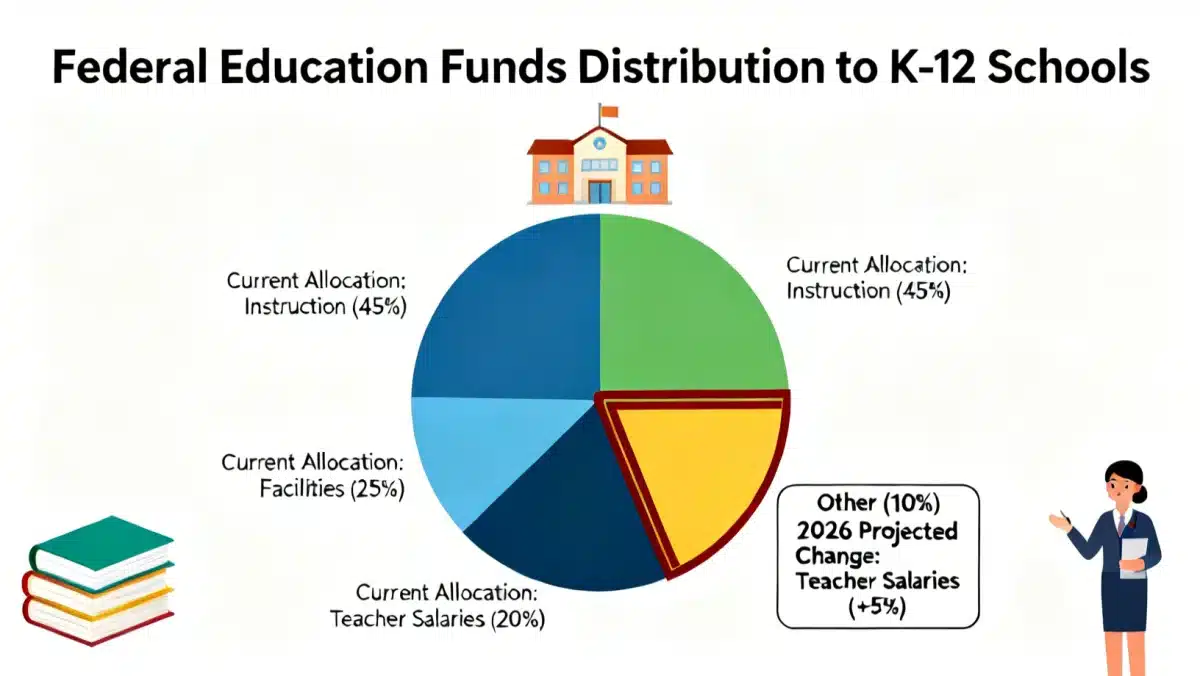

The ripple effect of these changes will extend beyond direct funding. It will influence school district budgeting, strategic planning, and even teacher recruitment and retention efforts. Parents, educators, and community leaders must be aware of these potential shifts to advocate effectively for the resources their students need.
Recent Updates and Policy Discussions
The discussion surrounding federal funding for K-12 schools in 2026 is dynamic, with continuous updates emerging from legislative bodies, educational organizations, and advocacy groups. Recent policy discussions have centered on several key areas, reflecting both the challenges and opportunities that lie ahead. These conversations are critical for shaping the final policies and determining the extent of their impact on students and schools.
One prominent area of debate involves the efficacy of current funding models and whether they adequately address the diverse needs of modern students. There’s a growing call for more flexible funding that allows districts to tailor programs to their unique local contexts, rather than being constrained by rigid federal mandates. Another significant point of discussion revolves around the balance between federal oversight and state/local control, particularly concerning accountability metrics and program implementation. These ongoing dialogues highlight the complexity of crafting education policy that is both effective and equitable.
Key Discussion Points
- Equitable Distribution: Debates on how to ensure federal funds reach the most vulnerable students and districts effectively, closing achievement gaps.
- Programmatic Focus: Discussions about shifting federal priorities towards specific areas like early childhood education, mental health support, or career and technical education.
- Accountability and Reporting: Proposals for new or revised methods for schools and districts to report on how federal funds are utilized and the outcomes achieved.
Staying informed about these recent updates is crucial for anyone involved in or concerned about K-12 education. The legislative process is often iterative, and public input and advocacy can play a significant role in influencing the final shape of these policies.
Strategies for Schools and Districts to Prepare
Given the anticipated federal funding changes for K-12 schools in 2026, proactive preparation is paramount for school districts to mitigate potential challenges and leverage new opportunities. Strategic planning, robust financial management, and effective advocacy will be key to navigating this evolving landscape successfully. Districts cannot afford to wait until the changes are fully implemented; early action is essential.
One critical strategy involves conducting thorough financial analyses to understand current dependencies on federal funding and identify areas of potential vulnerability. This includes mapping out how federal dollars support specific programs, staff positions, and student services. Armed with this information, districts can begin to explore alternative funding sources, such as state grants, local initiatives, or philanthropic partnerships, to diversify their revenue streams and reduce reliance on any single source.
Proactive Preparation Steps
- Financial Audit and Forecasting: Regularly audit current federal fund usage and develop financial forecasts based on various funding scenarios to anticipate potential shortfalls or shifts.
- Grant Writing and Partnership Development: Invest in strong grant writing capabilities and actively seek out local business, community, and philanthropic partnerships to secure additional resources.
- Advocacy and Communication: Engage with policymakers at local, state, and federal levels to advocate for equitable funding and communicate the potential impact of proposed changes on their students and communities.
Beyond financial strategies, districts should also focus on program evaluation, ensuring that all federally funded initiatives are demonstrably effective and aligned with student needs. This evidence-based approach can strengthen arguments for continued funding and help prioritize resources if cuts become necessary. Preparing now means building resilience and adaptability into the core operations of every school and district.
The Broader Implications for Educational Equity
The federal funding changes for K-12 schools in 2026 carry significant implications for educational equity across the nation. Federal funds often serve as a crucial lifeline for schools in low-income areas, those serving large populations of students with disabilities, or those with a high number of English language learners. Any reduction or reallocation of these funds without careful consideration could exacerbate existing disparities and widen achievement gaps, disproportionately affecting vulnerable student populations.
Ensuring equitable access to quality education is a cornerstone of American ideals, and federal funding has historically played a role in attempting to level the playing field. If the new funding models do not adequately address the unique needs of these students, districts might struggle to maintain essential programs, provide necessary support staff, or invest in innovative teaching resources. This could lead to a two-tiered educational system where well-resourced districts continue to thrive, while others fall further behind.
Equity Concerns to Monitor
- Resource Disparities: Potential for increased gaps in resources between affluent and less affluent school districts if federal equalization efforts are weakened.
- Support for Special Populations: Risk of reduced services for students with disabilities, English language learners, and students from low-income backgrounds.
- Teacher Retention in High-Needs Schools: Funding cuts could impact salaries and professional development, making it harder for high-needs schools to attract and retain qualified educators.
Advocates for educational equity are closely monitoring these developments, emphasizing the need for policies that protect and enhance opportunities for all students, regardless of their background or location. The goal must be to ensure that federal funding changes contribute to a more just and equitable educational system, rather than undermining it.
| Key Aspect | Brief Description |
|---|---|
| Funding Reductions/Reallocations | Anticipated shifts in federal budget allocations for K-12 education, potentially impacting existing programs. |
| Impact on Students | Direct effects on 45 million students, particularly those in high-needs areas, affecting resources and services. |
| District Preparedness | Importance of proactive financial planning, diversification of funding, and advocacy efforts by school districts. |
| Equity Concerns | Potential for widening achievement gaps and exacerbating disparities for vulnerable student populations. |
Frequently Asked Questions About 2026 Federal Education Funding
The anticipated changes stem from a combination of factors, including the sunsetting of temporary pandemic-era relief funds, ongoing reauthorization debates for major education acts, evolving national priorities, and overall federal budgetary adjustments. These elements collectively necessitate a reevaluation of current funding structures and allocations.
Students with special needs, particularly those benefiting from IDEA funding, could experience significant impacts. Changes might lead to adjustments in the availability of specialized services, staffing levels for support personnel, and access to assistive technologies, necessitating careful monitoring to ensure continued provision of mandated services.
Parents can advocate by staying informed about local and federal policy discussions, contacting their elected officials, participating in school board meetings, and joining parent-teacher organizations. Collective advocacy can amplify concerns and influence decisions regarding resource allocation and educational priorities for their children.
Potentially, yes. Changes could lead to a more streamlined and efficient allocation of resources, greater emphasis on evidence-based programs, or increased funding for emerging educational priorities like mental health support or advanced technology integration. The outcome will largely depend on the final policy decisions and their implementation.
Funding shifts could impact teacher salaries, professional development opportunities, and the availability of classroom resources. If funding decreases, schools, especially those in high-needs areas, might face challenges in attracting and retaining qualified educators, potentially leading to increased teacher turnover and larger class sizes.
Conclusion
The forthcoming federal funding changes for K-12 schools in 2026 represent a critical moment for American education. With 45 million students potentially impacted, the stakes are incredibly high. These shifts demand careful consideration, proactive planning from school districts, and engaged advocacy from all stakeholders. Ensuring that these changes ultimately strengthen, rather than weaken, the educational foundation for all students will require a concerted effort to prioritize equity, innovation, and sustained investment in our nation’s future.
Autor