2026 Budget Cuts: Impact on Public University Funding Explained
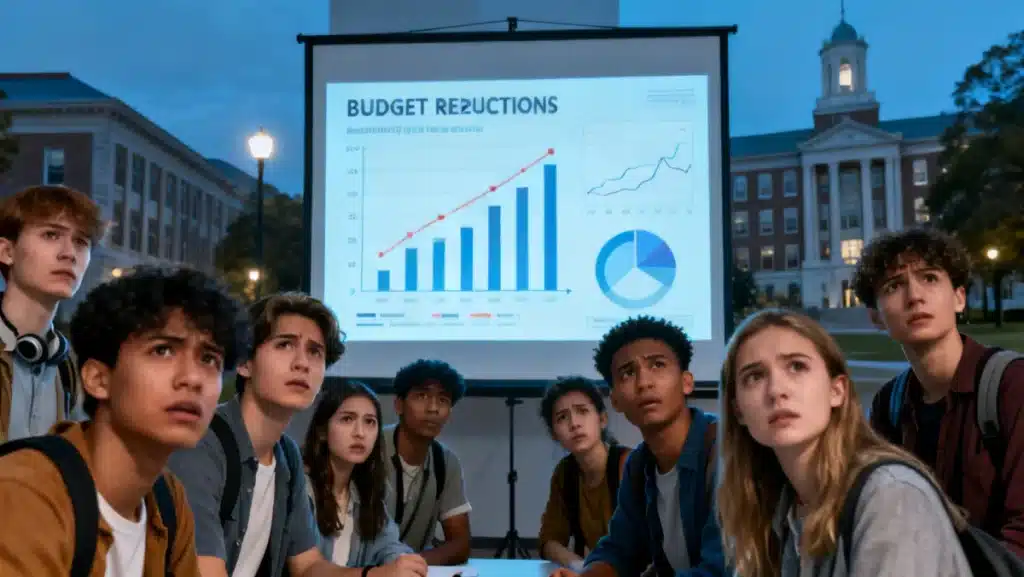
The proposed 2026 budget cuts will significantly reduce public university funding, leading to potential increases in tuition, fewer academic resources, and decreased financial aid availability for students nationwide.
The landscape of higher education in the United States is facing significant changes, with the proposed 2026 budget cuts poised to redefine public university funding. These financial shifts are not just abstract numbers; they have tangible implications for millions of students, from rising tuition fees to altered academic programs and reduced support services. Understanding these recent updates is crucial for anyone planning to attend or currently enrolled in a public university, as the decisions made today will shape educational opportunities for years to come. This article delves into the specifics of these budget adjustments, exploring their potential impact and offering insights into how students can navigate these evolving challenges.
Understanding the Scope of the 2026 Budget Cuts
The impending 2026 budget cuts represent a complex financial restructuring that will reverberate throughout the public higher education system. These reductions are often driven by a combination of economic factors, shifting political priorities, and an increasing demand for fiscal austerity. While the exact figures can vary by state and institution, the overarching trend points towards a significant decrease in state appropriations allocated to public universities. This directly impacts their operational budgets, affecting everything from faculty salaries to infrastructure maintenance and student support services.
Historically, public universities have relied heavily on state funding to keep tuition affordable and maintain high-quality educational standards. A substantial cut in these funds forces institutions to find alternative revenue streams or make difficult choices regarding their expenditures. This often translates into a greater financial burden placed on students and their families, as universities seek to offset deficits through tuition increases or by reducing services. The long-term effects of such cuts are a major concern for educators and policymakers alike, as they could undermine the accessibility and quality of public higher education.
Key Drivers Behind the Cuts
- Economic Slowdown: Periods of economic uncertainty often lead to reduced tax revenues, prompting states to cut spending across various sectors, including education.
- Shifting Political Priorities: Government funding priorities can change, with greater emphasis placed on other areas such as healthcare or infrastructure, diverting funds from higher education.
- Increased Demand for Fiscal Austerity: A push for balanced budgets and reduced public debt can lead to widespread cuts across all state-funded programs.
The cumulative effect of these drivers creates a challenging environment for public universities. They must adapt to less funding while striving to meet the educational needs of a diverse student population. This balancing act is particularly difficult given the rising costs associated with modern educational delivery and technological advancements. The scale of the 2026 cuts suggests a systemic challenge that will require innovative solutions from university administrations and collaborative efforts from stakeholders.
Direct Impact on Tuition and Fees
One of the most immediate and noticeable consequences of reduced state funding is the inevitable rise in tuition and fees. When public universities receive less money from state governments, they are often compelled to increase what students pay to cover operational costs and maintain academic programs. This direct correlation means that the 2026 budget cuts are highly likely to translate into higher educational expenses for students across the country. The increase in tuition can vary significantly depending on the institution, its financial health, and the specific state’s funding model, but the general trend will be upward.
For many students and their families, even a modest increase in tuition can create significant financial strain. Public universities have traditionally served as a more affordable pathway to higher education, and rising costs threaten to erode this fundamental advantage. This can lead to increased student loan debt, force students to work more hours, or even deter prospective students from pursuing higher education altogether. The accessibility crisis, which has been a growing concern in recent years, is likely to be exacerbated by these new budget realities.
Strategies Universities May Employ
- Tuition Hikes: The most common response, directly increasing the cost per credit hour or per semester.
- Fee Increases: Raising various fees for student services, technology, or facilities.
- Out-of-State Tuition Adjustments: Potentially increasing the differential for non-resident students to generate more revenue.
These strategies, while necessary for universities to remain solvent, place a disproportionate burden on students. The value proposition of a public university education could be undermined if the cost becomes prohibitive for a large segment of the population. Understanding these potential increases is crucial for students to plan their finances and explore all available options for funding their education. The conversation around tuition affordability is more critical than ever in light of the upcoming budget changes.
Changes in Financial Aid and Scholarship Opportunities
The ripple effect of the 2026 budget cuts extends beyond tuition increases to directly impact financial aid and scholarship opportunities. State appropriations often contribute directly to institutional financial aid programs, which are vital for supporting low-income students and those with significant financial need. A reduction in these funds means that universities will have fewer resources to allocate towards grants, scholarships, and other forms of direct student assistance. This could lead to a more competitive financial aid landscape and potentially leave more students with unmet financial needs.
Furthermore, state-funded scholarship programs, which operate independently of individual universities but are crucial for many students, may also face reductions. These programs are often designed to encourage specific fields of study, support students from particular backgrounds, or reward academic merit. If state budgets are tightened, these valuable resources could diminish, forcing students to rely more heavily on federal aid, private loans, or institutional aid that is already stretched thin. The availability of need-based aid, in particular, is a major concern, as it directly impacts access for the most vulnerable student populations.
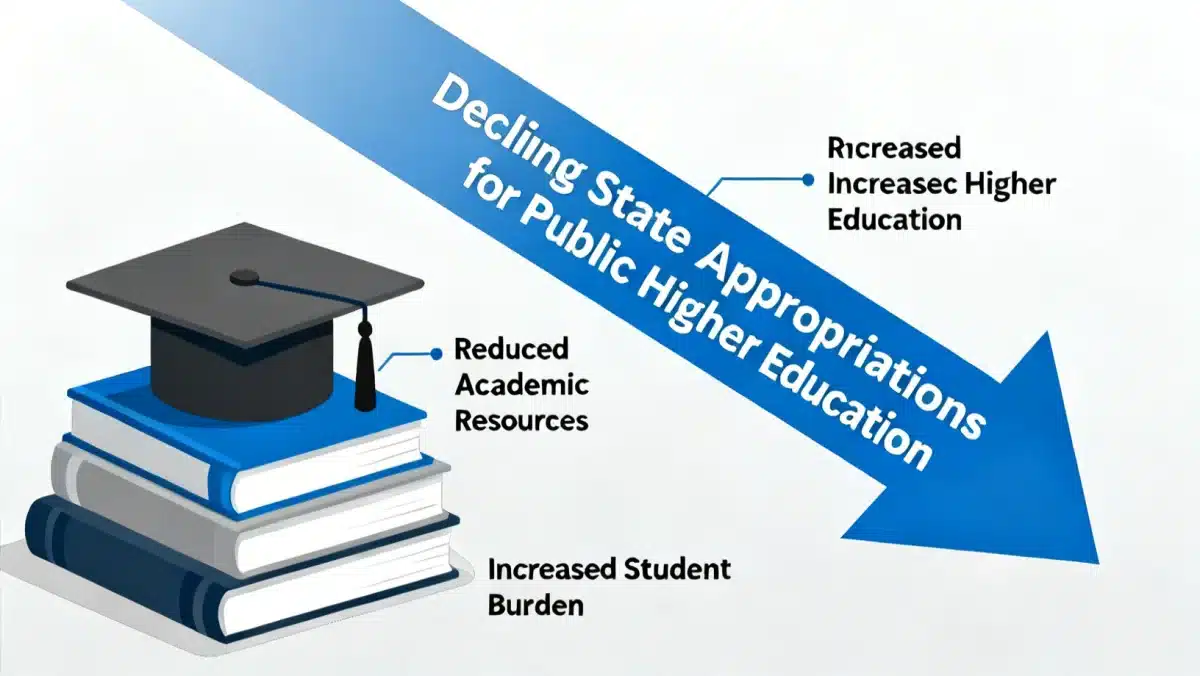
Students will need to be proactive in seeking out all possible avenues for financial support. This includes thoroughly researching federal aid options, exploring private scholarships, and engaging with university financial aid offices early and often. The increased competition for limited funds will make the application process more challenging and require greater diligence from applicants.
Impact on Academic Programs and Campus Resources
Beyond the financial implications for students, the 2026 budget cuts are expected to significantly affect the academic programs and campus resources offered by public universities. Reduced funding can lead to difficult decisions regarding which programs to maintain, expand, or even discontinue. Departments with lower enrollment or those deemed less central to the university’s core mission might face consolidation or closure. This can limit students’ choices for majors and minors, potentially impacting their career pathways and academic interests.
Moreover, cuts can diminish the quality and breadth of existing programs. This might manifest as fewer course offerings, larger class sizes, or a reduction in specialized resources such as laboratory equipment, library acquisitions, or technological infrastructure. Faculty recruitment and retention can also suffer, as universities may struggle to offer competitive salaries or attract top talent. The intellectual vitality of a campus community relies heavily on robust academic support, and budget constraints threaten to undermine this crucial aspect.
Areas Prone to Cuts
- Specialized Programs: Niche or low-enrollment programs might be targeted for reduction or elimination.
- Student Support Services: Counseling, career services, tutoring, and accessibility resources could see reduced staffing or funding.
- Infrastructure and Technology: Investments in modern facilities, research equipment, and updated software may be delayed or cut.
The quality of campus life and student experience extends beyond the classroom. Budget cuts can also affect extracurricular activities, student organizations, and recreational facilities. These elements are integral to a holistic college experience and contribute significantly to student well-being and development. Students should research the specific impacts on their chosen institutions and be prepared for potential changes in available resources and academic pathways.
Student Strategies for Navigating Funding Changes
In light of the anticipated 2026 budget cuts, students must adopt proactive strategies to navigate the evolving financial and academic landscape of public universities. Being well-informed and prepared can significantly mitigate the potential negative impacts of reduced funding. The first step involves thoroughly researching the financial health and specific budget plans of prospective or current institutions. This includes understanding their tuition policies, financial aid offerings, and any announced program changes.
Developing a comprehensive financial plan is also paramount. This might involve exploring various federal and private loan options, applying for every possible scholarship and grant, and considering part-time work or alternative funding sources. Students should also engage directly with university financial aid offices to understand their eligibility for institutional aid and to discuss any changes to their financial circumstances. Early and consistent communication can often unlock resources that might otherwise be overlooked.
Essential Student Actions
- Intensive Scholarship Search: Broaden the search for external scholarships from private organizations, foundations, and community groups.
- Federal Aid Maximization: Ensure all federal aid eligibility is explored, including Pell Grants, Stafford Loans, and work-study programs.
- Budgeting and Financial Planning: Create a realistic budget, track expenses, and explore ways to reduce living costs while attending university.
- Advocacy and Engagement: Participate in student government or advocacy groups to voice concerns about funding cuts and their impact.
Beyond finances, students should remain flexible with their academic plans. This could mean exploring interdisciplinary studies, considering certificate programs, or being open to transferring if their initial program of choice is significantly altered. Engaging with academic advisors regularly is crucial to stay updated on course availability and program requirements. By taking these proactive steps, students can better position themselves to succeed despite the challenges posed by the upcoming budget changes.
Long-Term Implications for Public Higher Education
The 2026 budget cuts are not merely a short-term financial adjustment; they represent a potential turning point with significant long-term implications for the future of public higher education in the United States. A sustained period of reduced state funding could fundamentally alter the mission and structure of public universities. The traditional model of affordable, accessible higher education for all qualified citizens could be eroded, transforming these institutions into entities that rely more heavily on private funding, research grants, and full-paying students.
This shift could lead to a two-tiered system, where elite public universities with strong endowments and research funding continue to thrive, while smaller regional institutions struggle to remain viable. The focus might shift from broad-based liberal arts education to more career-oriented programs that promise immediate job placement, potentially at the expense of general education and foundational knowledge. Furthermore, the capacity for innovation and groundbreaking research, often fueled by public university ecosystems, could diminish if funding for these critical areas is consistently cut.
Potential Systemic Changes
- Increased Privatization: Public universities may increasingly behave like private institutions, prioritizing revenue generation over public service.
- Reduced Diversity: Higher costs and fewer aid options could lead to a less socio-economically diverse student body.
- Focus on Applied Research: Funding may shift towards research with immediate commercial applications, potentially impacting basic scientific inquiry.
The long-term health of the nation’s workforce, its capacity for innovation, and its social mobility are intrinsically linked to a robust and accessible public higher education system. The decisions made regarding the 2026 budget cuts will have profound and lasting effects on these pillars. It is a critical juncture that calls for careful consideration, strategic planning, and a commitment to preserving the invaluable role that public universities play in American society. Students, educators, and policymakers alike have a vested interest in shaping a sustainable future for these vital institutions.
| Key Impact Area | Brief Description of Effect |
|---|---|
| Tuition & Fees | Likely increases due to reduced state appropriations, affecting affordability. |
| Financial Aid | Decreased availability of institutional and state-funded grants/scholarships. |
| Academic Programs | Potential for program consolidation, reduction in course offerings, or cuts to specialized resources. |
| Student Services | Reduced funding for counseling, career services, and other essential student support. |
Frequently Asked Questions About 2026 Budget Cuts
Tuition costs are highly likely to increase at most public universities due to reduced state funding. Institutions often raise tuition to offset budget deficits and maintain operations. The exact percentage will vary by state and university, so it’s essential to check your specific school’s announcements and financial aid office for details.
The availability of state-funded scholarships may decrease or become more competitive. Budget cuts can lead to reduced allocations for these programs. Students should proactively research federal aid, institutional scholarships, and private scholarships as alternatives or supplements, and apply as early as possible to maximize their chances.
Budget cuts can lead to program consolidations, fewer course offerings, or even the discontinuation of some specialized programs. Class sizes might increase, and resources like lab equipment or library materials could be affected. Students are advised to consult their academic advisors for updates on their specific majors and course planning.
To prepare, create a detailed budget, explore all federal financial aid options (FAFSA), aggressively seek private scholarships, and consider work-study programs. Engage with your university’s financial aid office early to understand institutional support and any new policies. Planning ahead is key to managing increased costs effectively.
Yes, many student organizations, campus groups, and national advocacy bodies are actively campaigning against education budget cuts. Students can join these efforts, contact their elected officials, and participate in local and statewide initiatives to voice their concerns and advocate for sustained or increased funding for public higher education.
Conclusion
The anticipated 2026 budget cuts pose significant challenges for public universities and, by extension, for current and prospective students. From potential increases in tuition and reductions in financial aid to shifts in academic programs and campus resources, the impact is far-reaching. Understanding these changes and adopting proactive strategies for financial planning and academic navigation will be crucial for students. While the future of public higher education faces uncertainties, informed decision-making and active engagement can help mitigate the adverse effects and ensure that educational opportunities remain accessible and of high quality for generations to come. It is a collective responsibility to advocate for the sustained investment in these vital institutions.
Autor