Federal Investment in Renewable Energy to Double by 2026: Updates
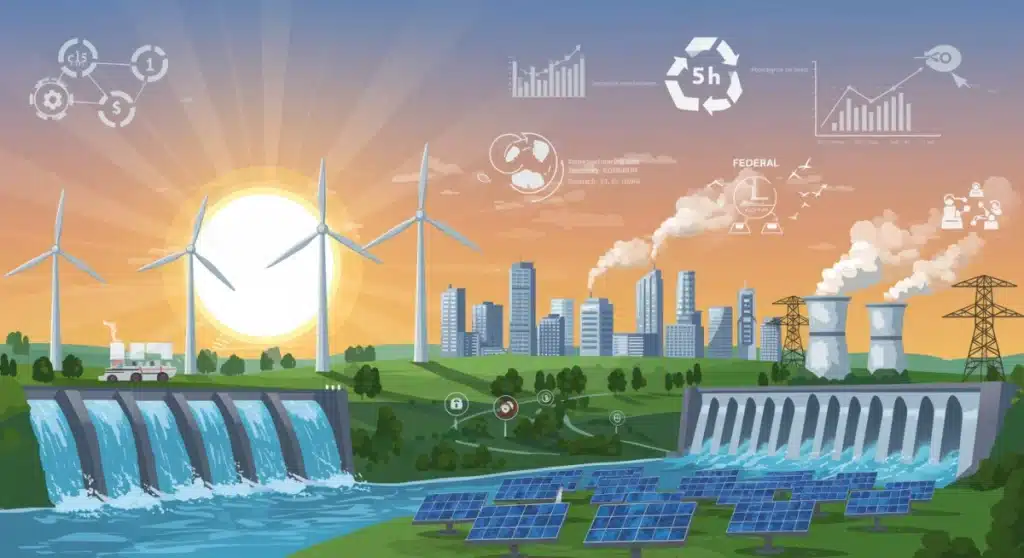
Federal investment in renewable energy is projected to double by 2026, signaling a monumental commitment to clean energy transition and sustainable economic growth across the United States.
The United States is on the precipice of a transformative era in its energy landscape, with recent announcements indicating that federal renewable energy investment is set to double by 2026. This ambitious goal underscores a profound commitment to combating climate change, fostering economic growth, and securing energy independence. What does this mean for the nation, its industries, and its citizens?
The driving forces behind increased federal investment
The push for a significant increase in federal investment in renewable energy is not a singular phenomenon but rather the culmination of several critical factors. Environmental concerns, technological advancements, and economic opportunities are converging to create an irresistible momentum towards a cleaner, more sustainable energy future.
Climate change remains a pressing global challenge, with its impacts becoming increasingly evident. Governments worldwide are under immense pressure to adopt policies that drastically reduce carbon emissions. For the United States, this means a concerted effort to transition away from fossil fuels and embrace renewable sources like solar, wind, and geothermal energy.
Policy frameworks and legislative support
Recent legislative actions have laid the groundwork for this accelerated investment. Landmark bills and executive orders have allocated substantial funds and incentives for renewable energy projects, research, and development. These policies aim to de-risk investments for private companies and encourage innovation in the clean energy sector.
- Infrastructure Investment and Jobs Act: This bipartisan bill allocates billions for grid modernization, clean energy transmission, and electric vehicle infrastructure.
- Inflation Reduction Act: A cornerstone of the current administration’s climate agenda, offering extensive tax credits and rebates for renewable energy production and deployment.
- Department of Energy Initiatives: Various programs within the DOE are funneling funds into cutting-edge research, pilot projects, and workforce development for renewable technologies.
The synergy of these policy frameworks creates a robust environment for federal investment to not only increase but also to be effectively utilized across various renewable energy sub-sectors. This comprehensive approach is designed to ensure that the doubling of investment translates into tangible, widespread benefits.
Furthermore, the geopolitical landscape has highlighted the importance of energy independence. Relying heavily on foreign energy sources can lead to economic volatility and national security vulnerabilities. By investing in domestic renewable energy, the U.S. aims to bolster its energy sovereignty and create a more stable, resilient energy supply chain. This strategic imperative adds another layer of urgency and justification to the substantial federal commitment.
In essence, the doubling of federal investment is a multi-faceted response to environmental necessity, economic opportunity, and strategic independence. It represents a pivot towards a future where energy is not only clean but also secure and domestically sourced.
Economic impacts: job creation and technological innovation
The projected doubling of federal investment in renewable energy by 2026 is poised to be a significant economic catalyst, driving job creation and fostering unprecedented technological innovation across the United States. This influx of capital will stimulate growth in various sectors, from manufacturing and construction to research and development.
The renewable energy sector is already a significant employer, and this increased investment will accelerate that trend. New projects, from large-scale solar farms to offshore wind installations, require a diverse workforce. This includes engineers, construction workers, technicians for installation and maintenance, and professionals in research and development.
Growth in green jobs
The expansion of the renewable energy sector is expected to create millions of new jobs, often referred to as ‘green jobs.’ These roles span a wide spectrum of skills and education levels, providing opportunities for both highly specialized experts and those entering the workforce.
- Manufacturing: Increased demand for solar panels, wind turbine components, battery storage, and electric vehicle parts will boost domestic manufacturing.
- Construction: Building new renewable energy infrastructure, including power plants, transmission lines, and charging stations, will necessitate a large construction workforce.
- Operations and Maintenance: Once built, these facilities require ongoing maintenance and operational oversight, creating long-term employment opportunities.
- Research and Development: Investment in R&D will spur innovation, leading to more efficient technologies and new applications, requiring scientists, engineers, and researchers.
Beyond direct job creation, the economic ripple effect will be substantial. Local economies will benefit from increased tax revenues, enhanced infrastructure, and new business opportunities stemming from the renewable energy supply chain. This includes everything from logistics and transportation to financial services and professional consulting.
Technological innovation is another cornerstone of this investment strategy. Federal funding will accelerate research into next-generation renewable technologies, such as advanced battery storage, carbon capture, and more efficient solar and wind designs. This innovation not only makes clean energy more competitive but also positions the U.S. as a global leader in energy technology.
Moreover, the focus on innovation extends to grid modernization. A significant portion of the investment will go towards upgrading the nation’s electrical grid to handle a higher influx of intermittent renewable energy sources, enhancing its resilience and efficiency. This includes developing smart grid technologies and advanced energy management systems.
Ultimately, the doubling of federal investment is designed to create a vibrant, self-sustaining clean energy economy. It’s about not just replacing old energy sources but building a new economic engine that generates prosperity, fosters innovation, and provides stable, high-quality employment for millions of Americans.
Advancements in renewable energy technologies
The monumental increase in federal investment is directly fueling rapid advancements in renewable energy technologies. This financial injection provides the necessary resources for scientists and engineers to push the boundaries of what’s possible, leading to more efficient, cost-effective, and versatile clean energy solutions. From solar cells to wind turbines and geothermal systems, every sector is experiencing a surge in innovation.
Solar energy, for instance, is benefiting from research into perovskite solar cells, which promise higher efficiencies and lower manufacturing costs than traditional silicon panels. There’s also significant progress in transparent solar cells, which could be integrated into windows and other surfaces, expanding their application beyond traditional rooftop installations.
Breakthroughs in energy storage
One of the most critical areas of innovation is energy storage. The intermittent nature of solar and wind power necessitates robust storage solutions to ensure a stable and reliable energy supply. Federal funding is accelerating research into various battery technologies, beyond just lithium-ion.
- Solid-state batteries: Offering higher energy density, faster charging, and improved safety compared to liquid electrolyte batteries.
- Flow batteries: Ideal for large-scale, long-duration storage due to their ability to store energy in liquid electrolyte tanks, allowing for independent scaling of power and energy capacity.
- Thermal energy storage: Utilizing materials to store heat or cold for later use, often integrated with concentrating solar power plants.
- Green hydrogen: Producing hydrogen through electrolysis powered by renewable energy, offering a versatile energy carrier for various applications, including transportation and industrial processes.
These advancements in energy storage are crucial for grid stability and for making renewable energy a more reliable base-load power source. The ability to store excess energy generated during peak production times and release it during periods of high demand or low generation is a game-changer for grid integration.
Wind energy is also seeing significant innovation, particularly in offshore wind technology. Larger, more powerful turbines capable of operating in deeper waters are being developed, unlocking vast new energy resources. Additionally, research into advanced materials and aerodynamic designs is improving turbine efficiency and reducing their environmental footprint.
Geothermal energy, often overlooked, is gaining traction with advancements in enhanced geothermal systems (EGS). These systems can extract heat from deeper, hotter rocks, making geothermal power generation possible in a wider range of geographical locations. This significantly expands the potential for this reliable, baseload renewable energy source.
The collective impact of these technological advancements, spurred by federal investment, is making renewable energy increasingly competitive with traditional fossil fuels. These innovations are not just about producing cleaner energy; they are about creating a more resilient, efficient, and technologically advanced energy infrastructure for the nation.
Environmental benefits and climate change mitigation
The doubling of federal investment in renewable energy by 2026 represents a monumental step towards mitigating climate change and realizing substantial environmental benefits for the United States and the world. By accelerating the transition from fossil fuels to clean energy sources, this initiative directly addresses the root causes of global warming and air pollution.
The most immediate and significant environmental impact will be a dramatic reduction in greenhouse gas emissions. Burning fossil fuels for electricity generation, transportation, and industrial processes is the primary contributor to carbon dioxide and other heat-trapping gases in the atmosphere. Shifting to solar, wind, hydro, and geothermal power eliminates these emissions at the source.
Cleaner air and water
Beyond greenhouse gases, renewable energy significantly reduces other harmful pollutants. Fossil fuel power plants release particulate matter, sulfur dioxide, and nitrogen oxides, which are major contributors to smog, acid rain, and respiratory illnesses. Increased reliance on renewables will lead to cleaner air across the nation.
- Reduced air pollution: Fewer emissions from power plants mean healthier communities, especially in urban areas and near industrial zones.
- Decreased water usage: Many traditional power plants require vast amounts of water for cooling. Most renewable energy sources, particularly solar PV and wind, use significantly less water, conserving this vital resource.
- Minimized land degradation: While renewable energy infrastructure requires land, the long-term environmental benefits often outweigh the localized impact, especially when compared to extractive industries like coal mining or oil drilling.
The shift to renewables also helps protect biodiversity. Reduced pollution leads to healthier ecosystems, from forests and wetlands to marine environments. Less reliance on fossil fuel extraction also means fewer risks of spills and habitat destruction associated with drilling and mining operations.
Furthermore, climate change mitigation efforts extend beyond simply reducing emissions. Investing in renewable energy makes the U.S. energy system more resilient to extreme weather events, which are becoming more frequent and intense due to climate change. A diversified energy portfolio, with a strong renewable component, can better withstand disruptions.
The long-term benefits include a more stable climate, reduced instances of severe weather, and protection of natural resources for future generations. This investment is not just about energy; it’s about safeguarding the planet and ensuring a sustainable future for all. The federal commitment reflects a recognition that environmental health and economic prosperity are intrinsically linked.
Challenges and opportunities in implementation
While the doubling of federal investment in renewable energy presents immense opportunities, its successful implementation will not be without challenges. Navigating these obstacles effectively will be crucial to realizing the full potential of this ambitious clean energy transition. These challenges range from grid infrastructure limitations to workforce development and supply chain issues.
One of the primary hurdles is the modernization of the existing electrical grid. The current grid was largely designed for centralized, fossil-fuel-based power generation. Integrating a high volume of distributed and intermittent renewable energy sources requires significant upgrades to transmission lines, substations, and control systems. This includes developing smart grid technologies that can manage fluctuating power inputs and outputs efficiently.
Overcoming infrastructure bottlenecks
The sheer scale of new renewable projects will necessitate rapid expansion and upgrade of transmission infrastructure. Permitting processes, land acquisition, and community engagement are critical factors that can slow down these essential developments.
- Grid modernization: Investing in advanced sensors, digital controls, and energy storage to create a more resilient and flexible grid.
- Transmission line expansion: Building new high-voltage lines to carry renewable energy from remote generation sites to urban demand centers.
- Permitting reform: Streamlining the approval process for new energy infrastructure projects while ensuring environmental protections.
- Community engagement: Working with local communities to address concerns and build support for new renewable energy projects and transmission lines.
Another significant challenge lies in workforce development. As the renewable energy sector grows, there will be an increased demand for skilled workers across various disciplines, from engineers and technicians to installers and manufacturers. Ensuring that the workforce has the necessary training and skills will be vital to avoid labor shortages and maintain project timelines.
Supply chain resilience is also a key concern. The global supply chain for critical materials and components used in renewable energy technologies, such as rare earth minerals for wind turbines or polysilicon for solar panels, can be susceptible to geopolitical tensions and disruptions. Diversifying supply sources and promoting domestic manufacturing are essential strategies.
Despite these challenges, each presents an opportunity for innovation and strategic development. The investment can spur new industries, create educational pathways, and foster international collaborations. By proactively addressing these issues, the U.S. can ensure a smooth and successful transition to a predominantly renewable energy future, transforming potential roadblocks into stepping stones for progress.
The role of states and local communities
While federal investment provides the foundational impetus, the successful doubling of renewable energy capacity by 2026 critically depends on the active participation and collaboration of states and local communities. These entities play a vital role in implementing policies, attracting investments, and ensuring that renewable energy projects are integrated seamlessly into local landscapes and economies.
States often lead the way in developing renewable energy portfolio standards (RPS) and other incentives that complement federal initiatives. These state-level policies can accelerate deployment by creating stable markets and encouraging utilities to procure a certain percentage of their electricity from renewable sources. Furthermore, states are crucial in streamlining regulatory processes and providing permitting guidance for projects within their borders.
Local initiatives and community engagement
Local communities are at the forefront of renewable energy adoption, often being the direct beneficiaries and, at times, the direct stakeholders in new project developments. Their involvement is paramount for the social license and successful execution of projects.
- Zoning and land use planning: Local governments determine where renewable energy facilities can be sited, balancing energy needs with environmental protection and community aesthetics.
- Community solar programs: Many communities are developing programs that allow residents to invest in or subscribe to local solar projects, making clean energy accessible to more people.
- Energy efficiency efforts: Local initiatives promoting energy efficiency in homes and businesses reduce overall energy demand, making it easier to meet remaining demand with renewables.
- Workforce training: Community colleges and local vocational schools are essential in training the next generation of renewable energy technicians and installers.
Effective community engagement is not just about addressing concerns but also about fostering a sense of ownership and shared benefit. When local residents feel heard and see tangible benefits, such as job opportunities or reduced energy costs, support for renewable energy projects significantly increases.
Moreover, states and local communities are key innovators in developing localized energy solutions, such as microgrids and distributed energy resources. These systems enhance energy resilience, particularly in the face of natural disasters, and can provide more reliable power to critical infrastructure.
The federal government’s role is to provide funding and overarching policy, but it is the states and local communities that translate these aspirations into concrete projects and local benefits. Their capacity to adapt, innovate, and collaborate will ultimately determine the pace and success of the nation’s clean energy transition. This decentralized approach ensures that the benefits of renewable energy are spread widely and equitably across the country.
Future outlook: a sustainable energy landscape
The projected doubling of federal investment in renewable energy by 2026 paints a clear picture of a future where the United States is powered by a sustainable energy landscape. This commitment is not merely a short-term financial boost but a strategic long-term vision aimed at fundamentally reshaping the nation’s energy infrastructure and its relationship with the environment. The future outlook suggests a more resilient, cleaner, and economically vibrant energy sector.
By 2026, we can expect to see a significant increase in the percentage of electricity generated from renewable sources. This shift will contribute substantially to meeting national and international climate goals, placing the U.S. at the forefront of global efforts to combat climate change. The growth in solar, wind, and other clean technologies will be visible in new utility-scale projects and widespread distributed generation.
Long-term benefits and global leadership
The sustained investment is expected to yield profound long-term benefits, solidifying the U.S. position as a leader in clean energy technology and policy.
- Energy independence: Reduced reliance on volatile global fossil fuel markets, enhancing national security and economic stability.
- Technological exports: U.S.-developed renewable energy technologies and expertise will become valuable exports, further boosting the economy.
- Enhanced public health: Cleaner air and water will lead to fewer respiratory illnesses and environmental degradation, improving overall public health outcomes.
- Sustainable economic growth: The green economy will continue to create new industries and jobs, driving sustainable economic growth for decades to come.
The trajectory set by this federal investment suggests a future where renewable energy is not just an alternative but the primary source of power. This will involve continuous innovation in energy storage, grid management, and new renewable technologies to ensure reliability and efficiency.
Furthermore, the focus on equity and environmental justice will ensure that the benefits of this transition are shared across all communities, particularly those historically disproportionately affected by pollution from fossil fuel industries. This includes job training programs, accessible clean energy options, and investments in underserved areas.
The future energy landscape will be characterized by greater resilience, driven by a diversified mix of renewable sources and a modernized grid capable of handling complex energy flows. This comprehensive approach ensures that the U.S. is not only meeting its energy demands sustainably but also building a stronger, healthier, and more prosperous nation for generations to come. The doubling of federal investment is the crucial accelerant for this transformative journey.
| Key Aspect | Brief Description |
|---|---|
| Investment Goal | Federal investment in renewable energy to double by 2026. |
| Economic Impact | Significant job creation in green sectors and accelerated technological innovation. |
| Environmental Benefits | Reduced greenhouse gas emissions and cleaner air/water. |
| Key Challenges | Grid modernization, workforce development, and supply chain resilience. |
Frequently Asked Questions
The doubling of federal investment signifies a massive acceleration in renewable energy deployment, leading to more solar farms, wind installations, and advanced energy storage projects across the U.S. This will rapidly increase the proportion of clean energy in the national grid, reducing reliance on fossil fuels and driving down carbon emissions significantly.
This investment is expected to create millions of new ‘green jobs’ across various sectors, including manufacturing, construction, operations, maintenance, and research and development. It will foster a new wave of skilled labor opportunities and provide economic growth in communities transitioning to a clean energy economy.
The main environmental benefits include a substantial reduction in greenhouse gas emissions, leading to improved air quality and a slower rate of climate change. It also contributes to cleaner water, reduced land degradation from fossil fuel extraction, and the protection of biodiversity and ecosystems across the nation.
Key challenges include modernizing the existing electrical grid to handle intermittent renewable sources, developing a sufficiently skilled workforce, and ensuring resilient supply chains for critical components. Addressing these will require strategic planning, technological innovation, and strong collaboration between various stakeholders.
States and local communities are crucial for implementation through policy frameworks, zoning regulations, and community engagement. They help streamline project development, foster local initiatives like community solar, and provide workforce training, ensuring that federal investments translate into tangible benefits and successful projects on the ground.
Conclusion
The federal government’s commitment to doubling investment in renewable energy by 2026 marks a watershed moment for the United States. This ambitious undertaking is more than just a financial pledge; it represents a comprehensive strategy to address climate change, stimulate economic growth through job creation and innovation, and secure energy independence. While challenges in grid modernization, workforce development, and supply chain resilience remain, the concerted efforts of federal, state, and local entities, combined with rapid technological advancements, are poised to transform these obstacles into opportunities. The future outlook is one of a more sustainable, resilient, and prosperous energy landscape, firmly establishing the U.S. as a leader in the global clean energy transition.
Autor